


Can Protein Powder Cause Acne? Exploring the Connection
Protein powder is available in various forms, with whey protein being one of the most popular. Whey protein is derived from milk and is known for its high bioavailability and complete amino acid profile. However, the potential link between whey protein and acne has been a topic of discussion among dermatologists and researchers.
1. Whey Protein and Hormones
One of the primary reasons whey protein is suspected of contributing to acne is its potential impact on hormones. Whey protein contains growth factors such as insulin-like growth factor 1 (IGF-1), which can increase the production of androgens. Androgens, in turn, stimulate sebaceous glands to produce more sebum, which can clog pores and lead to acne.
Research has shown that elevated levels of IGF-1 are associated with an increased risk of acne. A study published in the Journal of the American Academy of Dermatology found that individuals with higher levels of IGF-1 were more likely to experience severe acne. Since whey protein can increase IGF-1 levels, it may contribute to the development or exacerbation of acne in susceptible individuals.
2. Dairy and Acne
Another factor linking protein powder to acne is its dairy content. As mentioned earlier, whey protein is derived from milk. Dairy products have long been associated with acne, with studies suggesting that milk consumption, particularly skim milk, is linked to an increased risk of acne. The exact mechanism is not entirely understood, but it is believed that the hormones and growth factors present in milk may play a role.
For individuals who are sensitive to dairy, consuming whey protein could potentially trigger or worsen acne. This is particularly relevant for those with lactose intolerance or a dairy allergy, as these conditions can lead to inflammation and skin issues.
3. Leucine and mTOR Pathway
Leucine, a branched-chain amino acid (BCAA) found in high concentrations in whey protein, has been implicated in the development of acne. Leucine activates the mechanistic target of rapamycin (mTOR) pathway, a signaling pathway that regulates cell growth and metabolism. Overactivation of the mTOR pathway has been linked to various conditions, including acne.
The mTOR pathway is believed to stimulate sebaceous gland activity and increase the production of sebum, leading to clogged pores and acne. Since whey protein is rich in leucine, it may contribute to the overactivation of the mTOR pathway, potentially leading to acne in susceptible individuals.
4. Insulin and Acne
Protein consumption, particularly whey protein, can lead to a rapid increase in insulin levels. Insulin is a hormone that regulates blood sugar levels, but it also plays a role in acne development. Elevated insulin levels can increase androgen production and stimulate the sebaceous glands, leading to increased sebum production and acne.
A study published in the Journal of Clinical Endocrinology & Metabolism found that high insulin levels were associated with increased acne severity in women. Given that whey protein can cause a spike in insulin levels, it may contribute to acne in some individuals.
Scientific Studies on Protein Powder and Acne
While the potential mechanisms linking protein powder to acne are plausible, it is essential to examine the scientific evidence. Several studies have investigated the relationship between protein powder, particularly whey protein, and acne.
1. Whey Protein and Acne in Athletes
A study published in the International Journal of Dermatology examined the prevalence of acne among athletes who consumed whey protein supplements. The researchers found that athletes who used whey protein were more likely to develop acne than those who did not use protein supplements. The study concluded that whey protein could be a contributing factor to acne development in individuals predisposed to the condition.
2. Case Studies
Several case studies have reported instances of acne development in individuals following the use of whey protein supplements. In one case, a 16-year-old boy developed severe acne after starting a whey protein supplement regimen. His acne improved significantly after discontinuing the supplement, suggesting a possible link between whey protein and acne.
3. Systematic Reviews
A systematic review published in Dermato-Endocrinology analyzed the existing literature on dairy products, including whey protein, and their association with acne. The review concluded that there is evidence to support a link between dairy consumption and acne, particularly in adolescents. However, the authors noted that more research is needed to establish a definitive causal relationship between whey protein and acne.
Other Types of Protein Powders
While whey protein is the most commonly implicated in acne development, it’s important to consider other types of protein powders as well. Plant-based protein powders, such as those made from pea, hemp, or rice protein, do not contain dairy and therefore may not have the same impact on acne. However, these protein powders may still affect individuals differently based on their unique sensitivities and skin types.
1. Plant-Based Proteins
Plant-based protein powders are less likely to contribute to acne because they do not contain dairy or the associated hormones and growth factors found in whey protein. Additionally, plant-based proteins tend to have a lower leucine content, which means they may not activate the mTOR pathway to the same extent as whey protein.
However, some individuals may still experience acne with plant-based protein powders, particularly if they contain additives or ingredients that trigger inflammation or allergic reactions.
2. Egg White Protein
Egg white protein is another alternative to whey protein. It is dairy-free and has a different amino acid profile, which may reduce the risk of acne for some individuals. However, like other animal-based proteins, egg white protein can still stimulate insulin production and may have a similar impact on acne.
Managing Acne While Using Protein Powder
For individuals who rely on protein powder for their dietary needs but are concerned about acne, there are several strategies to manage the potential risk.
1. Choose Dairy-Free Protein Powders
Opting for dairy-free protein powders, such as plant-based options, can help reduce the risk of acne. These powders are less likely to contain hormones and growth factors that could contribute to acne development.
2. Monitor Your Skin’s Response
Pay close attention to how your skin responds to different types of protein powders. If you notice an increase in acne after starting a new supplement, consider switching to a different protein source or reducing your intake.
3. Maintain a Balanced Diet
A well-balanced diet rich in fruits, vegetables, whole grains, and lean proteins can help support overall skin health. Avoiding high-glycemic foods and excessive dairy consumption may also reduce the risk of acne.
4. Practice Good Skincare Habits
Consistent skincare routines that include gentle cleansing, exfoliation, and moisturizing can help manage acne. Using non-comedogenic products can prevent clogged pores and reduce the likelihood of breakouts.
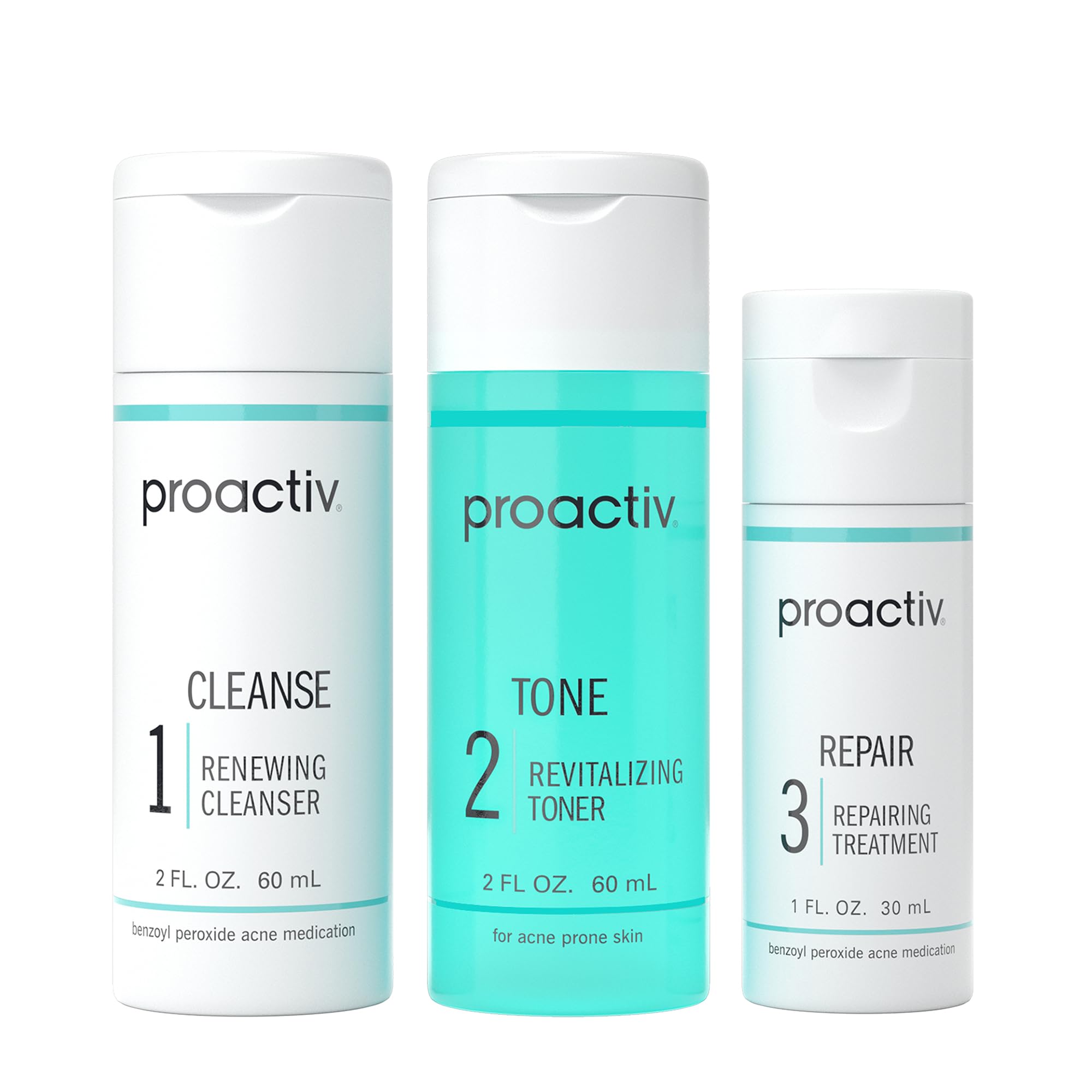
- THE ORIGINAL ACNE KIT THAT STARTED A SKINCARE REVOLUTION - Designed specifically for acne-prone skin, Proactiv Solution delivers finely-milled benzoyl peroxide deep into your pores to help stop acne-causing bacteria in its tracks and prevent breakouts.
- YOU NEED MORE THAN A PIMPLE CREAM - Proactiv Solution is a powerful, comprehensive acne treatment system that goes deep into your pores, removes impurities and helps prevent future flare ups.
- YOUR SKIN ROUTINE, MADE EASY - Just 3 steps a day gets you on your way to clear, radiant skin.
- SAFE FOR DIFFERENT AGES AND SKIN TYPES - Proactiv's 3-Step Kit provides the same powerful skin care for teens and adults, and is great for sensitive skin.
- A WIN FOR YOUR SKIN - Our complete treatment system can clear existing acne blemishes and prevent new breakouts from occurring. What's not to love.

5. Consult a Dermatologist
If you experience persistent or severe acne, it may be beneficial to consult a dermatologist. They can help identify potential triggers and recommend appropriate treatments to manage your skin condition.
Conclusion
The connection between protein powder and acne is complex and multifaceted. While there is evidence to suggest that whey protein, in particular, may contribute to acne development in some individuals, the relationship is not fully understood and may vary based on individual factors such as genetics, diet, and skincare habits. For those concerned about acne, opting for dairy-free protein powders and monitoring your skin’s response can be effective strategies for managing the potential risk. Ultimately, maintaining a balanced diet and good skincare practices will support overall skin health and help mitigate the impact of any potential triggers.


Sponsored


Disclaimer:
This article is intended for informational and educational purposes only and should not be construed as professional medical advice, diagnosis, or treatment. The content provided herein, including but not limited to, any text, graphics, images, and other material, is for general informational purposes and is not intended to be a substitute for professional medical advice, diagnosis, or treatment.
Always seek the advice of your physician or other qualified health provider with any questions you may have regarding a medical condition or health objectives. Never disregard professional medical advice or delay in seeking it because of something you have read on this website.
Affiliate Disclaimer: Please note that some of the links in this blog post are affiliate links. This means that if you click on these links and make a purchase, we may receive a small commission at no extra cost to you. Your support in purchasing through these links enables us to continue providing valuable content to you. Thank you for your support!


