


What Protein Supplements Should I Take as a Beginner?
When you’re starting out on a fitness journey, protein supplements can be an excellent way to help you reach your goals. With so many options on the market, however, it can feel overwhelming. Here’s a guide on the types of protein supplements best suited for beginners, along with benefits, potential downsides, and tips for incorporating them into your routine.
Why Do Beginners Need Protein Supplements?
Protein is essential for muscle repair, growth, and overall recovery, especially when you’re engaging in strength training or intense exercise. While whole foods like lean meats, fish, eggs, and legumes provide a great foundation, supplements can offer a convenient way to boost your protein intake, ensuring your muscles have the fuel they need to grow stronger.
Types of Protein Supplements
- Whey Protein
- Best For: Fast recovery and muscle growth
- Pros: Whey protein is one of the most popular and readily available protein supplements. It’s a complete protein, meaning it contains all nine essential amino acids necessary for muscle repair and growth. Whey is also absorbed quickly by the body, making it ideal for post-workout recovery.
- Cons: Some people are lactose intolerant, and while whey isolate has lower lactose content, it may still cause digestive discomfort.
- Casein Protein
- Best For: Sustained protein release over several hours
- Pros: Unlike whey, casein protein is absorbed slowly. It’s often used before bed, providing a steady stream of amino acids throughout the night to support muscle recovery.
- Cons: Similar to whey, casein is derived from dairy and may cause digestive issues for those with lactose sensitivity. It is also thicker and may be less palatable for some.
- Plant-Based Proteins (e.g., Pea, Rice, Hemp)
- Best For: Vegans, vegetarians, and those with dairy allergies
- Pros: Plant-based protein powders are derived from sources like peas, rice, and hemp, making them suitable for people with lactose intolerance or those following a vegan diet. They’re also less likely to cause bloating.
- Cons: Most plant proteins are not complete proteins, which means they may lack one or more essential amino acids. To address this, many brands offer blends to provide a balanced amino acid profile.
- Egg White Protein
- Best For: Those with dairy allergies looking for a high-quality, complete protein
- Pros: Egg white protein is a complete protein and free from dairy, making it a suitable choice for individuals who are lactose intolerant. It’s also low in carbs and fat, which may appeal to those on specific diets.
- Cons: It may lack the creamy texture of whey or casein and can be more expensive.
- Collagen Protein
- Best For: Supporting joint health and skin elasticity
- Pros: Collagen protein has gained popularity for its benefits beyond muscle growth. It supports joint health, skin, hair, and nails, making it a good addition to your daily routine. However, it should not replace a more complete protein source, as it’s low in essential amino acids.
- Cons: Collagen protein is often more expensive, and while it’s great for joint support, it’s not ideal as a primary muscle-recovery protein.
Choosing the Right Protein Supplement
When selecting a protein supplement as a beginner, it’s essential to consider your personal goals, dietary restrictions, and lifestyle.
- Goal-Oriented Choices: For muscle building and weight loss, whey protein is often the top choice for beginners due to its efficiency in muscle recovery and its relatively affordable price.
- Dietary Restrictions: Those with lactose intolerance or who follow a vegan diet should opt for plant-based proteins or egg white protein.
- Convenience: Whey and plant-based proteins are easy to mix and come in various flavors, making them a versatile choice for most beginners.
How Much Protein Should You Take?
Protein needs vary depending on factors like body weight, activity level, and goals. A general rule of thumb for active individuals is to aim for 1.6 to 2.2 grams of protein per kilogram of body weight daily. For example, a person weighing 70 kg would aim for roughly 112 to 154 grams of protein each day. Protein supplements are just one way to help you reach this target; they shouldn’t be the sole source of your protein intake.
Tips for Using Protein Supplements Effectively
- Use Protein Supplements to Complement Whole Foods: Protein powder should not be a substitute for a balanced diet. Whole foods provide additional nutrients that protein powders may lack.
- Take It Post-Workout: Consuming protein shortly after a workout (within 30 minutes to an hour) helps kickstart the recovery process and supports muscle growth.
- Try a Blended Protein: Many brands offer protein blends that combine whey and casein or mix various plant-based proteins. These can provide both quick and sustained amino acid release, maximizing muscle recovery.
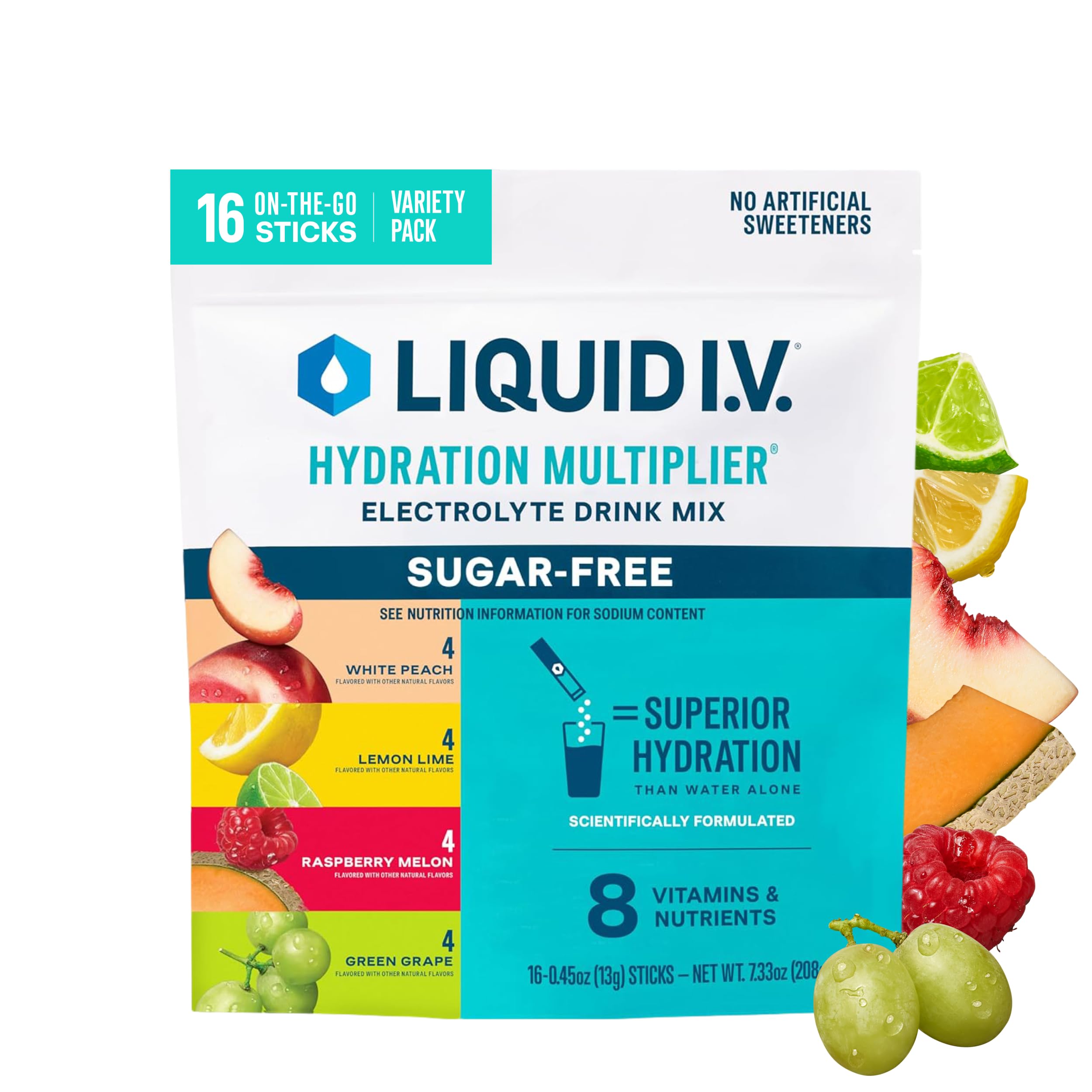
- Hydrate Well: Protein requires water for proper digestion. Ensure you’re drinking enough water, especially when consuming protein supplements, to avoid dehydration or digestive discomfort.
Potential Downsides and Considerations
- Over-Reliance on Protein Powders: Relying too heavily on protein supplements may cause you to miss out on the fiber, vitamins, and minerals present in whole foods.
- Digestive Issues: If you experience bloating, gas, or discomfort, try a different type of protein or a lactose-free option, as many protein powders contain lactose or artificial sweeteners that can cause issues.
- Budget and Flavor: Some protein powders are more expensive than others. When starting out, consider choosing a smaller size to test if you like the flavor and texture before committing to a larger tub.
Conclusion: Starting Your Protein Supplement Journey
As a beginner, selecting the right protein supplement comes down to understanding your needs and experimenting with different options to see what works best for you. Whether you choose whey, plant-based, or egg white protein, focus on consistent use and pair it with a balanced diet and regular exercise for the best results.


Sponsored



Disclaimer:
This article is intended for informational and educational purposes only and should not be construed as professional medical advice, diagnosis, or treatment. The content provided herein, including but not limited to, any text, graphics, images, and other material, is for general informational purposes and is not intended to be a substitute for professional medical advice, diagnosis, or treatment.
Always seek the advice of your physician or other qualified health provider with any questions you may have regarding a medical condition or health objectives. Never disregard professional medical advice or delay in seeking it because of something you have read on this website.
Affiliate Disclaimer: Please note that some of the links in this blog post are affiliate links. This means that if you click on these links and make a purchase, we may receive a small commission at no extra cost to you. Your support in purchasing through these links enables us to continue providing valuable content to you. Thank you for your support!


