


Protein Shake Supplements for Kids: Are They Necessary and What Should Parents Know?
Protein shake supplements for kids are becoming increasingly popular, with claims of better growth, energy, and enhanced athletic performance. But do most children actually need these supplements? This article explores the benefits, drawbacks, popular brands, allergy considerations, the potential impact on growth and development, and easy protein-packed snack alternatives.
Do Most Kids Need Protein Supplements?
The majority of children do not need protein supplements. For most, their protein needs are met through a well-rounded diet that includes:
- Dairy products like milk, yogurt, and cheese
- Meat, poultry, and fish
- Eggs
- Nuts, seeds, and legumes
For children aged 4-8, daily protein needs are about 19 grams, and for kids aged 9-13, it’s around 34 grams. These amounts are usually covered by normal eating habits without requiring supplementation.
Who Might Benefit from Protein Shakes?
While protein shakes aren’t necessary for most kids, there are specific cases where they may be beneficial:
- Picky Eaters: For children with limited food preferences, supplements can help fill nutritional gaps.
- Athletically Active Kids: Kids involved in high-intensity sports might need additional protein for muscle recovery, though diet often suffices.
- Children with Medical Conditions: Protein shakes can be beneficial for kids with certain health issues requiring higher protein intake, as advised by a doctor.
- Vegetarian/Vegan Kids: Children on plant-based diets might need extra protein if their meals lack diverse sources of protein.
Benefits of Protein Shakes for Kids
- Convenience: Protein shakes are quick, making them an easy option for busy schedules or after sports.
- Supplemental Nutrition: Shakes can fill gaps for children who struggle to get enough protein through their regular diet.
- Muscle Recovery Support: For highly active kids, extra protein may help with post-exercise recovery.
Potential Drawbacks
- Excess Protein: Too much protein can be hard on the kidneys and cause digestive issues.
- Added Sugars and Fillers: Many commercial protein shakes have high sugar content and artificial additives, leading to health concerns.
- Dependency on Supplements: Over-reliance on shakes may lead to missing out on the comprehensive nutrition from whole foods.
The Potential Impact of Protein Supplements on Growth and Development
Protein plays a crucial role in growth and development, as it is a key building block for muscles, bones, and tissues. For children, adequate protein intake is vital for:
- Bone Growth: Protein is essential for the development of strong bones, and insufficient protein intake can lead to stunted growth or weaker bones over time.
- Muscle Development: Protein aids in building and repairing muscles, which is particularly important during growth spurts or for active children.
- Hormonal Balance: Protein helps in the production of hormones, including growth hormones, which directly affect overall growth and development.
However, more protein doesn’t necessarily lead to better growth. Excess protein, especially from supplements, can have downsides:
- Potential Weight Gain: Many protein shakes are high in calories, leading to unnecessary weight gain if the child’s activity level doesn’t match the extra intake.
- Nutrient Imbalance: Overemphasis on protein can cause an imbalance, where children may not consume enough of other essential nutrients like vitamins, minerals, and healthy fats, all of which are crucial for balanced growth.
- Growth Disruptions: There’s a delicate balance in nutrient requirements for children. Overloading on one nutrient, like protein, can disrupt the absorption of others, potentially hindering optimal growth and development.
In short, while protein is essential, it should come from a balanced diet. Supplements should be considered only in specific situations where dietary needs aren’t being met through food alone.
Allergy and Sensitivity Considerations
With the rise in food allergies and sensitivities, it’s crucial to select protein shakes that cater to your child’s specific dietary needs:
- Dairy Allergies: Many protein shakes use whey or casein, both derived from milk. If your child is allergic to dairy, opt for plant-based protein shakes made from pea, soy, or rice protein.
- Soy Allergies: Soy is another common allergen found in some protein shakes. Look for options made from alternative proteins like hemp, chia, or almond.
- Gluten Sensitivities: Some protein shakes contain gluten, so check labels for gluten-free certification if your child is sensitive or intolerant to gluten.
- Artificial Ingredients: For kids with sensitivities to artificial colors, flavors, or sweeteners, choosing organic or clean-label protein shakes can help avoid potential triggers.
Popular Brands of Protein Shake Supplements for Kids and Why They’re Preferred
Some protein shake brands have tailored their products for children, keeping nutritional needs and common allergies in mind:
- PediaSure: Known for its balanced nutrition, PediaSure is often used for children with growth concerns or who have trouble gaining weight.
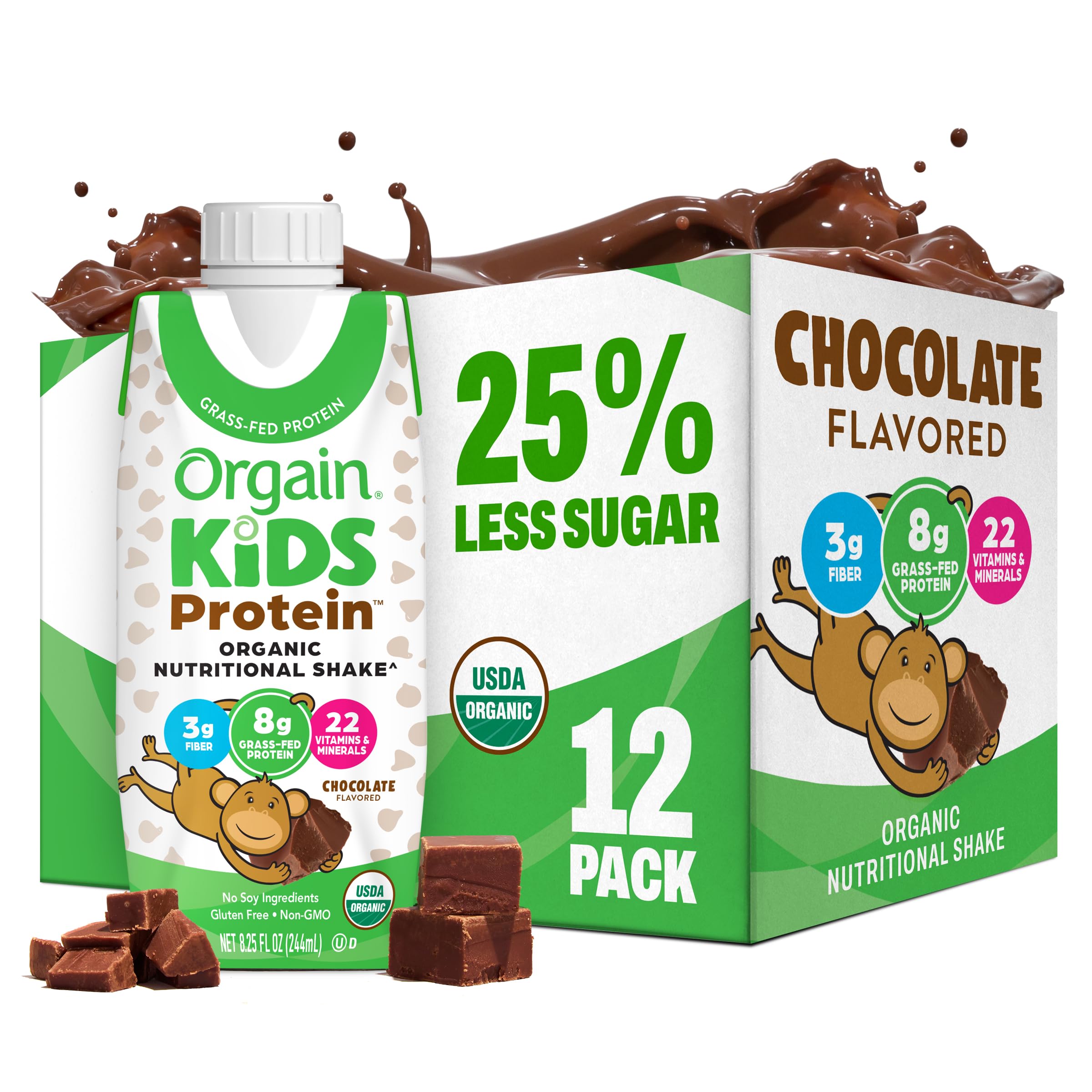
- Orgain Kids Protein: This organic, plant-based shake is free from dairy, soy, and gluten, making it a good option for kids with multiple sensitivities.
- Carnation Breakfast Essentials: While more of a meal replacement than a strict protein shake, this product offers a balanced mix of protein, vitamins, and minerals.
- Healthy Height: Formulated by pediatricians, this protein shake is designed to support growth in children, with attention to allergens and nutritional needs.




Easy Protein-Packed Snack Ideas
Instead of relying on supplements, there are many whole-food options that provide protein and are easy for kids to enjoy:
- Greek Yogurt with Berries: Greek yogurt offers more protein than regular yogurt, and pairing it with fruits adds flavor and nutrients.
- Peanut Butter and Banana Slices: This combination is high in protein and healthy fats while being kid-friendly.
- Boiled Eggs: A simple, portable snack packed with protein.
- Cottage Cheese with Fruit: Cottage cheese is high in protein and pairs well with sweet fruits like pineapple or peaches.
- Cheese Sticks with Whole-Grain Crackers: A quick and balanced snack, easy to include in school lunches.
Conclusion: Focus on Whole Foods, Consider Supplements When Necessary
For the majority of kids, protein shake supplements are not essential and can be counterproductive if misused. Whole foods should always be the first choice, providing a variety of nutrients that supplements can’t fully replace. For children with specific dietary needs, allergies, or medical conditions, consulting with a healthcare provider is essential before introducing protein shakes. By focusing on a balanced diet and offering protein-rich snacks, parents can ensure their children receive the right nutrients for healthy growth and development.


Sponsored


Disclaimer:
This article is intended for informational and educational purposes only and should not be construed as professional medical advice, diagnosis, or treatment. The content provided herein, including but not limited to, any text, graphics, images, and other material, is for general informational purposes and is not intended to be a substitute for professional medical advice, diagnosis, or treatment.
Always seek the advice of your physician or other qualified health provider with any questions you may have regarding a medical condition or health objectives. Never disregard professional medical advice or delay in seeking it because of something you have read on this website.
Affiliate Disclaimer: Please note that some of the links in this blog post are affiliate links. This means that if you click on these links and make a purchase, we may receive a small commission at no extra cost to you. Your support in purchasing through these links enables us to continue providing valuable content to you. Thank you for your support!


