Can a Protein Replacement Shake Really Replace a Meal?

Protein replacement shakes have become a staple for those seeking a quick, nutritious meal alternative. But can these shakes genuinely stand in for a full meal, providing all the essential nutrients your body needs? This article delves into the nutritional composition of popular protein shake brands, the potential long-term health implications, and whether these shakes can truly replace a meal.

What Are Protein Replacement Shakes?

Protein replacement shakes are formulated to provide a blend of macronutrients—proteins, carbohydrates, and fats—along with essential vitamins and minerals. They are marketed as a convenient option for those who need a quick meal, promising balanced nutrition in a single, easy-to-consume serving.

Nutritional Composition of Popular Protein Shake Brands

Understanding the nutritional makeup of different protein shakes is crucial for evaluating their effectiveness as meal replacements.

  1. Huel:

    • Calories: 400 kcal per serving
    • Protein: 30g
    • Carbohydrates: 45g (7g fiber, 3g sugar)
    • Fats: 13g (2.5g saturated)
    • Micronutrients: Comprehensive profile including 26 essential vitamins and minerals.
    • Key Features: Huel is designed to be a nutritionally complete meal, with a focus on balanced macros and micronutrients. It also contains omega-3 and omega-6 fatty acids from flaxseed and sunflower oil, which are important for heart health .
  2. Soylent:

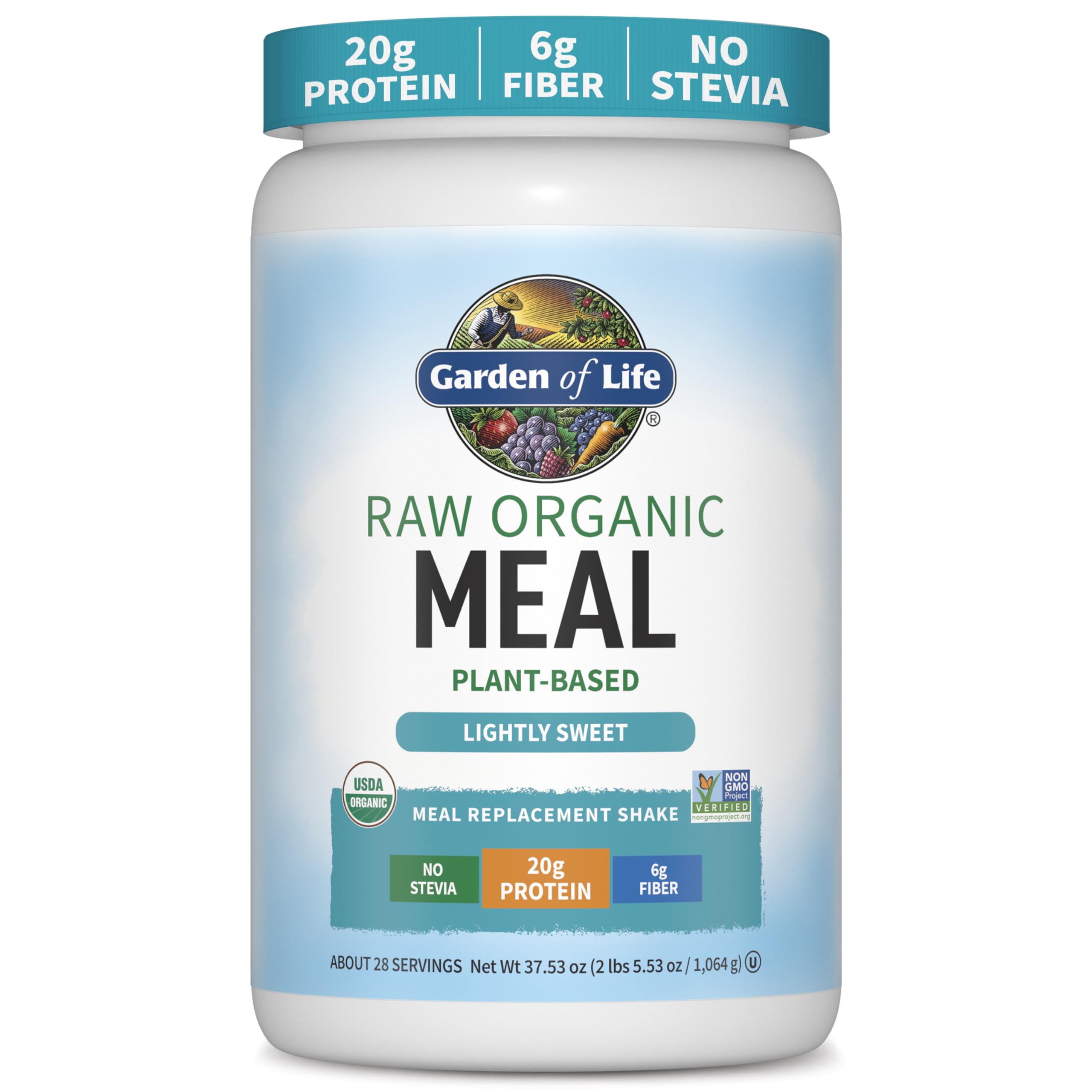
  3. Garden of Life:

Potential Long-Term Health Implications

While protein replacement shakes can offer convenience and nutritional support, relying on them as a primary meal source raises several concerns:

  1. Nutrient Diversity and Bioavailability:

    • Whole Foods vs. Shakes: Whole foods provide a wide array of nutrients, including fiber, antioxidants, and phytonutrients, which are often missing or less bioavailable in shakes. The diversity of nutrients in whole foods supports various bodily functions, including immune health, digestion, and cellular repair.
    • Synthetic vs. Natural Nutrients: The vitamins and minerals in protein shakes are often synthetic, which might not be absorbed by the body as effectively as the nutrients from whole foods. Over time, this could lead to deficiencies in essential nutrients, even if the shakes are fortified.
  2. Digestive Health:

    • Fiber Content: Many protein shakes are low in fiber, which is essential for digestive health. Fiber helps regulate bowel movements, supports gut bacteria, and contributes to a feeling of fullness. A diet consistently low in fiber can lead to digestive issues like constipation, bloating, and an increased risk of gastrointestinal disorders.
    • Digestive Enzymes and Probiotics: Some shakes, like Garden of Life, include added enzymes and probiotics to aid digestion, but these are not a substitute for the natural fiber found in whole foods.
  3. Impact on Metabolism and Satiety:

    • Liquid Calories: Consuming calories in liquid form may not trigger the same satiety signals as solid food, leading to overconsumption later in the day. Over time, this can affect weight management efforts.
    • Blood Sugar Levels: The carbohydrate content in some shakes, especially those with added sugars, can cause spikes in blood sugar levels. Regular consumption of such shakes could increase the risk of insulin resistance and, eventually, type 2 diabetes.
  4. Psychological and Behavioral Considerations:

    • Meal Enjoyment and Social Interaction: Meals are not just about nutrition; they also play a vital role in social interaction, cultural practices, and mental well-being. Replacing meals with shakes can diminish the enjoyment of eating and potentially lead to disordered eating habits.
    • Sustainability of Diet: Relying on shakes can make a diet monotonous and unsustainable in the long term. The lack of variety can lead to nutrient deficiencies and reduce the overall quality of the diet.

Are Protein Replacement Shakes Suitable for Everyone?

Special Considerations:

  • Children and Adolescents: Growing bodies require a wide variety of nutrients that are best obtained from whole foods. Protein shakes might not provide the necessary diversity for healthy development.
  • Elderly Individuals: While protein shakes can be a convenient source of nutrition for older adults, particularly those with difficulty eating solid foods, they should not entirely replace meals. It’s essential to maintain a balanced diet that includes whole foods.
  • Individuals with Allergies or Sensitivities: Always check the ingredient list for potential allergens like dairy, soy, or nuts. Some protein shakes may also contain artificial sweeteners or additives that could cause reactions in sensitive individuals.

Can Protein Replacement Shakes Really Replace a Meal?

Protein replacement shakes can be a valuable tool for occasional meal replacement, especially when time is short or convenience is a priority. However, they should not replace whole meals regularly. Whole foods offer a broader range of nutrients, better support digestion, and contribute to long-term health in ways that shakes cannot replicate.

For those considering incorporating protein shakes into their diet, it is crucial to choose high-quality products and use them as part of a balanced diet rich in whole foods. Long-term reliance on shakes could lead to nutrient deficiencies, digestive issues, and an unsustainable diet. Consulting with a healthcare professional or nutritionist is recommended to ensure that protein shakes are used appropriately and healthily.

Disclaimer:

This article is intended for informational and educational purposes only and should not be construed as professional medical advice, diagnosis, or treatment. The content provided herein, including but not limited to, any text, graphics, images, and other material, is for general informational purposes and is not intended to be a substitute for professional medical advice, diagnosis, or treatment.

Always seek the advice of your physician or other qualified health provider with any questions you may have regarding a medical condition or health objectives. Never disregard professional medical advice or delay in seeking it because of something you have read on this website.

Affiliate Disclaimer: Please note that some of the links in this blog post are affiliate links. This means that if you click on these links and make a purchase, we may receive a small commission at no extra cost to you.  Your support in purchasing through these links enables us to continue providing valuable content to you. Thank you for your support!