1. Lactose Intolerance
Whey protein, a staple in many protein powders, is derived from milk. If you’re lactose intolerant, even mildly, the lactose (milk sugar) found in whey concentrate and casein can lead to bloating, gas, and stomach cramps. Whey isolate, which has lower lactose levels, is often better tolerated but can still cause issues for some.
Examples of Ingredients to Watch: Whey concentrate, casein protein.
Solution: Opt for lactose-free options like whey isolate or plant-based proteins such as pea, hemp, or soy protein.
2. Artificial Sweeteners and Sugar Alcohols
To keep their products low in calories, many protein supplements use artificial sweeteners or sugar alcohols. While these additives enhance taste, they can be difficult for your digestive system to process. Ingredients like sucralose and sugar alcohols such as sorbitol and xylitol can ferment in your gut, leading to gas, bloating, and discomfort.
Examples of Ingredients to Watch: Sucralose, aspartame, acesulfame potassium (Ace-K), sorbitol, mannitol, and xylitol.
Solution: Look for products that use natural sweeteners like stevia or monk fruit, or choose unsweetened varieties.
3. High Fiber Content
Some protein powders, especially plant-based ones, contain added fiber to promote digestion and fullness. However, if your body isn’t accustomed to high fiber intake, the sudden increase can lead to bloating. Ingredients like inulin (from chicory root) and added oat fiber are commonly used to boost fiber content but may cause discomfort if consumed in large quantities.
Examples of Ingredients to Watch: Inulin, soluble corn fiber, and oat fiber.
Solution: Introduce high-fiber supplements gradually and start with smaller servings.
4. Poor Digestion of Protein
Breaking down protein into amino acids requires a strong digestive system. Some people struggle to digest large amounts of protein efficiently, leading to undigested protein sitting in the gut and causing gas and bloating. Digestive enzymes, often added to protein powders, can help with this.
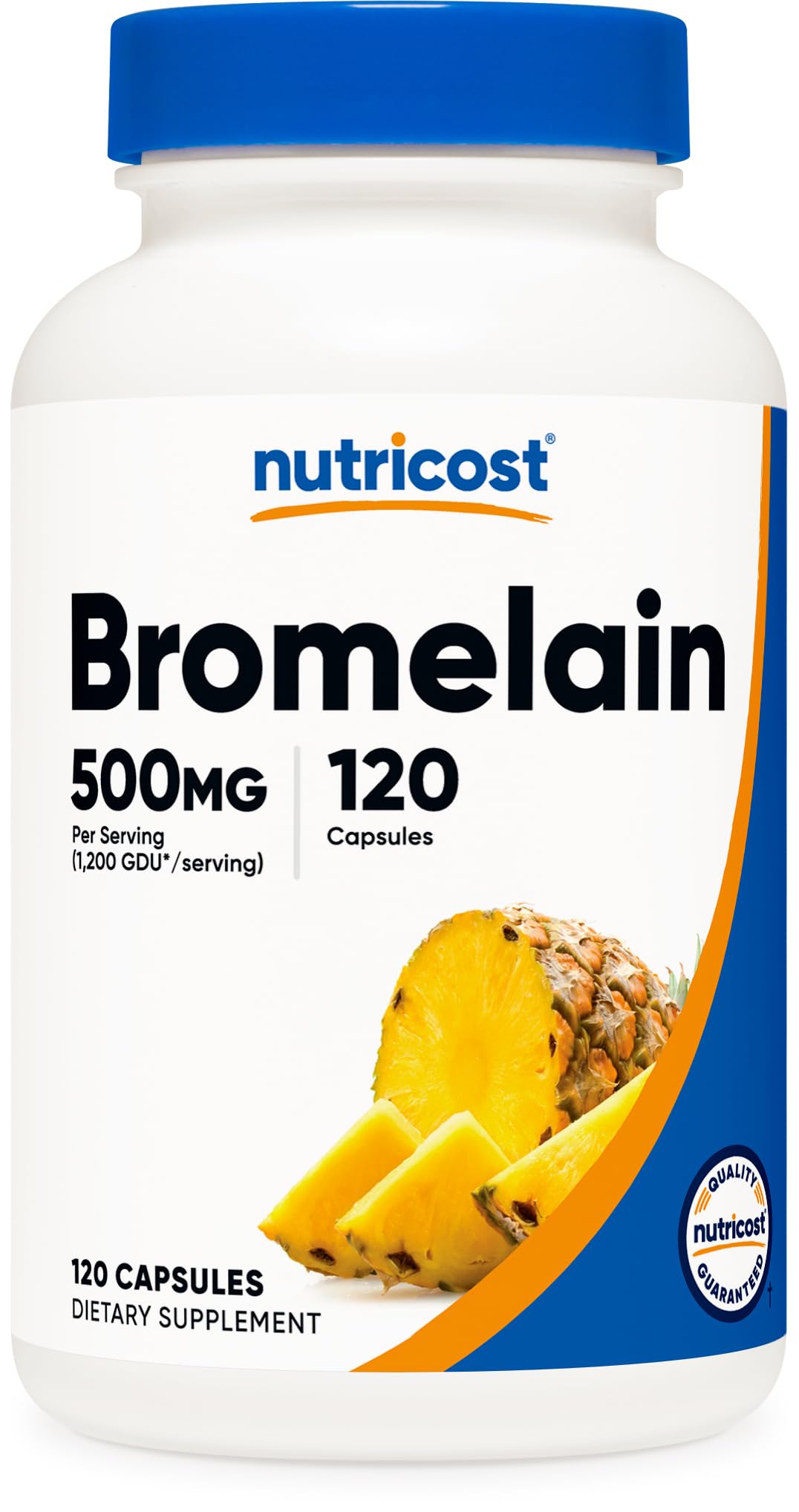
Examples of Digestive Enzymes to Look For: Protease, bromelain (from pineapple), and papain (from papaya).

TRANSFORMATION THE GENESIS OF GOOD HEALTH Protease 375K Enzyme Blend Supplement, High-Potency Formula for Protein Absorption & Gut Health, Advanced Enzym Support, Non-GMO, 60 Capsules 60 Count (Pack of 1)
Dairy Free, Lactose Free, Peanut Free, Soy Free, Sugar Free, Whaet Free; Ingredients: Protease 375000 HUT - 625mg, Vegetable capsule
Solution: Choose a protein powder that includes these enzymes or take a digestive enzyme supplement alongside your protein.
5. Excessive Protein Intake
Consuming too much protein at once can overwhelm your digestive system, leading to bloating. For most people, the body can process around 20-30 grams of protein per meal. Eating beyond what your body can handle in a single sitting can result in undigested protein lingering in your gut.
Solution: Spread your protein intake throughout the day rather than consuming large amounts all at once.
6. Protein Type and Source
The type of protein you consume plays a significant role in digestion. For example, plant-based proteins like pea or soy protein can be easier for some people to digest, while others might find dairy-based proteins like whey isolate more comfortable. Each protein source has a unique combination of amino acids and fibers that can affect your digestive system differently.
Examples of Protein Sources to Consider: Whey isolate, egg white protein, pea protein, rice protein.
Solution: Experiment with different protein types to find what works best for you.
Additional Causes of Bloating
1. Gut Health
Your gut microbiome, the collection of bacteria in your digestive system, plays a crucial role in how well you digest food. Imbalances in gut bacteria can lead to poor digestion and increase bloating. For example, if your gut lacks the beneficial bacteria needed to break down certain fibers or sugars, you’re more likely to experience discomfort.
Solution: Incorporate probiotics or fermented foods into your diet to support a healthy gut microbiome.
2. Food Sensitivities
Beyond lactose intolerance, other food sensitivities can exacerbate bloating when combined with protein supplements. Ingredients like soy, gluten, or even certain artificial flavors and preservatives can trigger digestive issues.
Solution: Consider testing for common food sensitivities if you experience consistent bloating, and choose hypoallergenic protein powders if needed.
3. Medications
Certain medications, such as antibiotics or pain relievers, can disrupt your digestive system and lead to bloating. These medications can affect gut bacteria or slow down digestion, both of which can contribute to discomfort.
Solution: If you’re on medication, consult your healthcare provider about potential digestive side effects and how to manage them.
Additional Tips to Reduce Bloating
1. Hydration
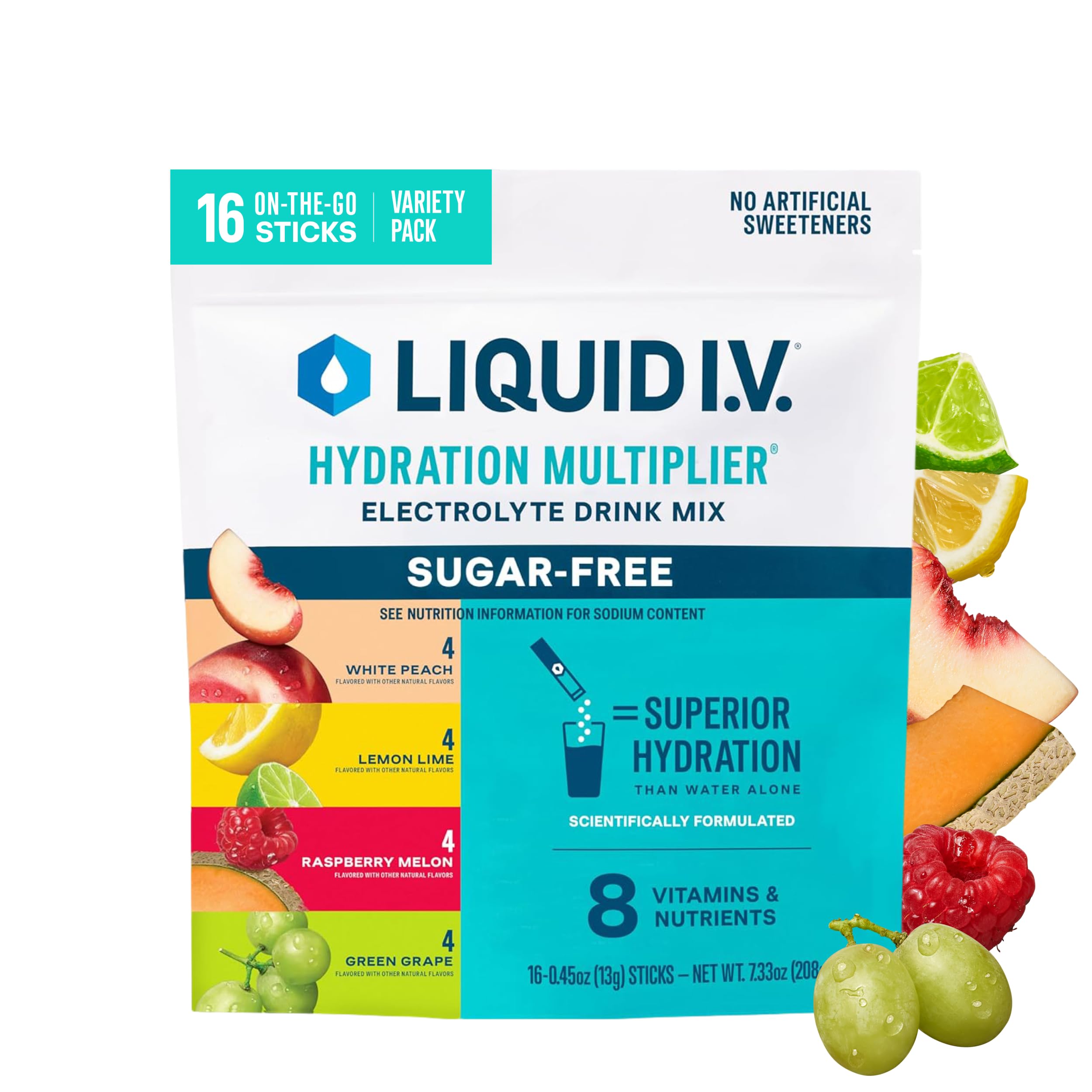
Staying well-hydrated is crucial for digestion. Water helps break down food and move it through your digestive system, reducing the likelihood of bloating. Dehydration can slow down digestion and cause constipation, which can contribute to bloating.
Tip: Drink water consistently throughout the day, especially when consuming protein supplements.
2. Meal Timing
Taking your protein supplement with a meal can aid digestion. Your body’s natural digestive processes are more active when you eat a balanced meal, helping to break down protein more efficiently. This can also help your body absorb nutrients better, reducing the chances of bloating.
Tip: Try incorporating your protein powder into meals, like smoothies or mixed with oatmeal.
3. Experimentation
Everyone’s digestive system is different, so what works for one person may not work for another. Keeping a food diary to track your intake and symptoms can help you identify specific triggers. This can also help you determine the best protein supplement and consumption method for your body’s needs.
Tip: Record the types of protein you consume, any additives, and when bloating occurs to identify patterns.
Final Thoughts
Bloating from protein supplements is common but manageable. Understanding the potential causes—whether it’s lactose intolerance, artificial sweeteners, or even gut health—can help you make informed choices. By experimenting with different types of protein, adjusting your diet, and being mindful of your body’s needs, you can enjoy the benefits of protein supplements without the discomfort.
Taking a personalized approach and being mindful of how your body reacts will go a long way in reducing bloating and maximizing the positive effects of your protein intake.