This article dives deep into whether choosing grass-fed whey protein makes a meaningful difference by examining its nutritional profile, quality, sustainability, and ethical considerations in comparison to conventional whey protein.
What Is Whey Protein?
Whey protein is a high-quality protein derived from milk during the cheese-making process. When milk is curdled and strained, the liquid byproduct is whey, which contains proteins, vitamins, and minerals. Whey protein is processed into three main forms: concentrate, isolate, and hydrolysate, each varying in protein content and absorption speed.
Whey protein is popular due to its rapid absorption and complete amino acid profile, making it ideal for muscle recovery and growth. But the source of whey—whether from grass-fed or grain-fed cows—can have an impact on the quality and benefits of the protein.
Grass-Fed Whey vs. Conventional Whey: What’s the Difference?
Grass-Fed Definition and Practices
Grass-fed whey comes from cows primarily fed a natural diet of grass or forage with minimal grain supplementation. These cows are typically raised on pasture and allowed to graze freely. Conventional whey, by contrast, generally comes from cows fed a diet high in grains, soy, and other supplements.
The differences in diet can lead to measurable changes in the nutritional content of the whey protein produced.
Nutritional Differences: Quantifying the Advantages of Grass-Fed Whey
Grass-fed whey boasts several nutritional advantages over conventional whey, and these differences are quantifiable:
- Higher Omega-3 Fatty Acids: Grass-fed whey contains up to five times more omega-3 fatty acids compared to conventional whey. Specifically, omega-3 content in grass-fed whey is around 1.5 to 2.0 grams per serving, compared to 0.3 to 0.5 grams in conventional whey. Omega-3s are known for their anti-inflammatory properties and cardiovascular benefits.
- More Conjugated Linoleic Acid (CLA): Grass-fed whey contains approximately 300-500% more CLA than conventional whey. Grass-fed whey may have 1.2 to 1.5 grams of CLA per serving, whereas conventional whey typically offers 0.3 to 0.4 grams. CLA is associated with fat loss, improved immune function, and anti-cancer properties.
- Increased Antioxidants: Grass-fed whey is richer in antioxidants such as vitamin E and beta-carotene. For instance, grass-fed whey can contain two to three times more vitamin E and beta-carotene compared to conventional whey. Specifically, vitamin E levels in grass-fed whey are approximately 0.4 milligrams per serving, while conventional whey contains about 0.1 milligrams.
- Amino Acid Profile: Both grass-fed and conventional whey offer a complete amino acid profile, which is essential for muscle protein synthesis. While the overall protein content is similar, grass-fed whey may have slightly higher concentrations of leucine, which plays a key role in stimulating muscle growth.
Quality and Purity: Cleaner Protein, Fewer Additives
One of the most significant distinctions between grass-fed and conventional whey is purity.
- No Hormones or Antibiotics: Grass-fed whey is typically free from synthetic hormones like rBST and antibiotics, which are common in conventional dairy farming. For those concerned about additives and potential contaminants in their diet, this is a major advantage.
- GMO-Free: Grass-fed cows consume natural pastures, making the whey typically free from genetically modified organisms (GMOs). Conventional whey, on the other hand, often comes from cows fed GMO grains.
Grass-fed whey generally provides a cleaner and more natural product with fewer concerns about unwanted additives.
Taste and Texture: A Difference You Can Taste?
When it comes to flavor, many users report a richer, creamier taste in grass-fed whey. This enhanced taste is likely due to the higher quality of fat and more natural feeding practices. Grass-fed whey also tends to have a smoother texture and better solubility, making it easier to mix into shakes, smoothies, and recipes.
If taste and texture are priorities for you, grass-fed whey frequently outperforms conventional whey.
Sustainability and Ethical Considerations: Is Grass-Fed More Responsible?
Beyond nutritional content, grass-fed whey appeals to those who prioritize sustainability and ethical considerations.
- Environmental Impact: Grass-fed farming practices are more environmentally friendly. Cows on pasture contribute to soil health through natural grazing patterns, which can reduce carbon emissions and promote biodiversity. Conventional dairy farming, especially in confined feedlots, is associated with water pollution, deforestation for feed production, and higher greenhouse gas emissions.
- Animal Welfare: Grass-fed cows generally have better living conditions, with access to open fields and fresh air. In contrast, conventional dairy farming, particularly in factory farms, often involves crowded conditions and restricted movement, raising concerns about animal welfare.
- Consumer Values: As more people become aware of sustainability and ethical food production, the demand for grass-fed products continues to grow, making it an attractive option for conscientious consumers.
Cost: Is Grass-Fed Whey Worth the Extra Money?
Grass-fed whey is typically more expensive than conventional whey, primarily due to the higher farming costs, lower production yields, and more labor-intensive practices. While the price difference can be substantial—up to 50-100% more per serving—many consumers believe the added benefits justify the cost.
However, if your primary focus is muscle gain or sticking to a budget, conventional whey may provide more protein per dollar.
Impact on Performance and Muscle Growth: Which Is Better for Gains?
From a performance standpoint, both grass-fed and conventional whey are effective for muscle building. Here’s why:
- Protein Content: Both grass-fed and conventional whey offer high levels of protein per serving, usually 20-25 grams, which is the key factor for muscle recovery and growth.
- Amino Acid Profile: Both types of whey contain all essential amino acids needed for muscle protein synthesis. While grass-fed whey may have slightly higher concentrations of some amino acids, like leucine, the difference is minor and may not significantly impact muscle growth.
- Bioavailability: Both grass-fed and conventional whey have comparable bioavailability, meaning your body can absorb and use the protein effectively.
In short, if your primary goal is muscle growth, either grass-fed or conventional whey will be effective.
Health Benefits of Grass-Fed Whey
Choosing grass-fed whey over conventional whey may offer additional health perks:
- Anti-Inflammatory Effects: Thanks to its higher omega-3 and CLA content, grass-fed whey may help reduce inflammation, which is crucial for recovery and overall health.
- Heart Health: The favorable fatty acid profile in grass-fed whey supports cardiovascular health, making it a smart choice for those concerned with long-term wellness.
- Gut Health: Grass-fed whey often contains fewer additives and fillers, which can be beneficial for gut health, especially for those sensitive to processed ingredients.
Popular Grass-Fed Whey Protein Brands
Here are some reputable grass-fed whey protein brands to consider:
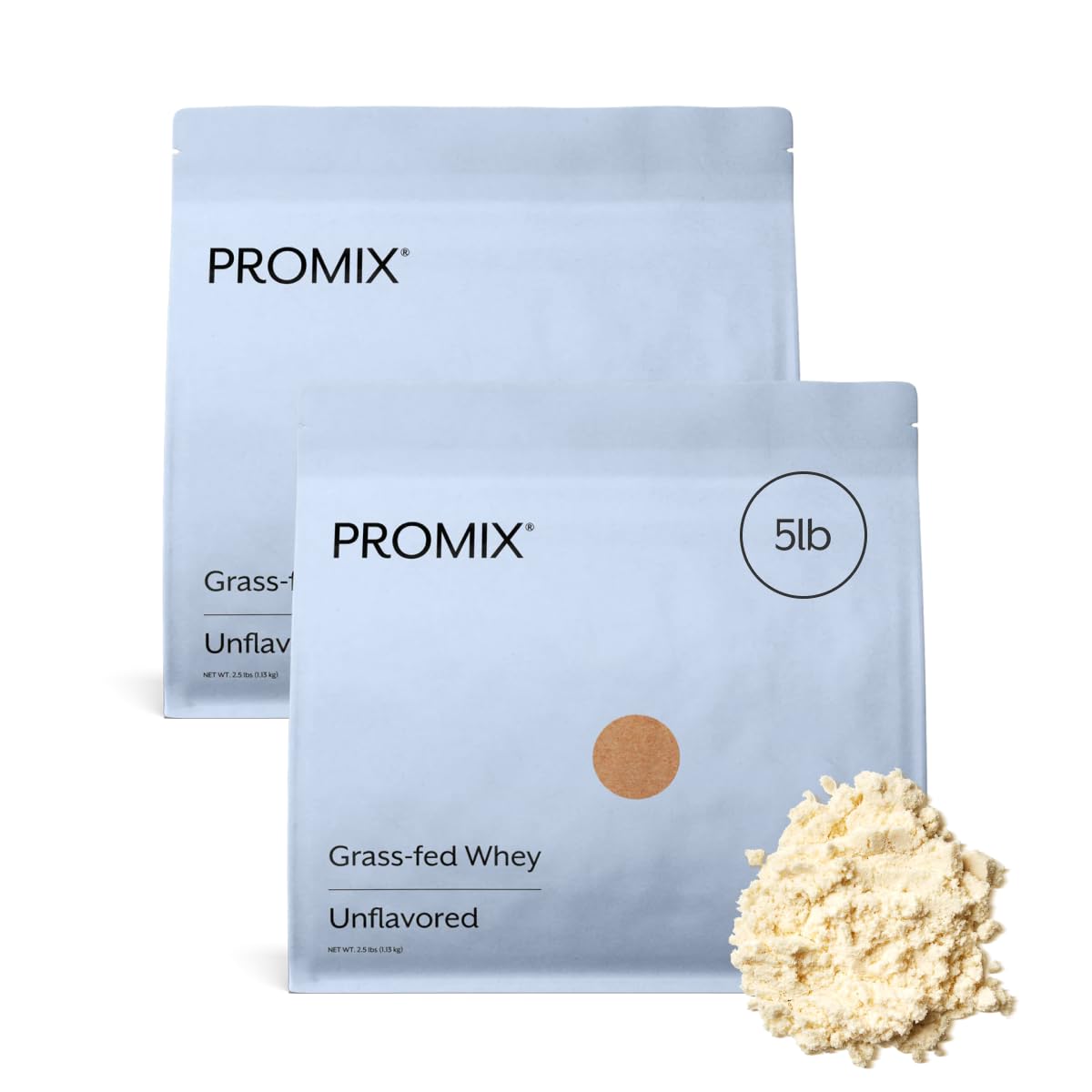
- Promix Grass-Fed Whey: Known for its clean ingredient list and commitment to quality.
- Naked Whey: A favorite for those seeking an additive-free option with no artificial flavors.
- Levels Grass-Fed Whey Protein: Offers a variety of flavors while maintaining high standards of grass-fed sourcing.
- Tera’s Whey: An organic option that emphasizes sustainable farming and ethical practices.
These brands provide a great starting point if you’re looking to switch to grass-fed whey.
How to Choose the Right Whey Protein for You
Deciding between grass-fed and conventional whey depends on your goals, values, and dietary needs:
- Budget: If you’re looking for the most cost-effective option with high protein content, conventional whey may be your best bet. However, if you value additional nutritional benefits, cleaner ingredients, and ethical sourcing, grass-fed whey could be worth the investment.
- Health and Dietary Preferences: For those concerned with avoiding hormones, antibiotics, and GMOs, grass-fed whey offers a cleaner and more natural product.
- Environmental and Ethical Values: If sustainability and animal welfare are important to you, grass-fed whey is a more responsible choice.
- Flavor and Versatility: If you prefer a richer, creamier taste, grass-fed whey is often the preferred option.
Common Misconceptions About Grass-Fed Whey
There are several myths about grass-fed whey that deserve clarification:
- Myth 1: All Grass-Fed Whey Is Organic: Not necessarily. While many grass-fed options are organic, not all are. Check for certification if this is important to you.
- Myth 2: Grass-Fed Whey Is Automatically Better: Grass-fed whey has benefits, but it’s not universally superior. Your specific goals and dietary preferences should guide your choice.
- Myth 3: Conventional Whey Is Inferior: While conventional whey may have more additives, reputable brands still offer high-quality protein that is effective for muscle growth and recovery.
Potential Downsides to Grass-Fed Whey
While grass-fed whey has advantages, it’s not without its downsides:
- Higher Cost: The price difference is often the most significant barrier for consumers.
- Availability: Grass-fed whey is not as widely available as conventional whey, especially in some regions.
- Inconsistent Standards: Not all “grass-fed” labels are created equal. Some brands use the term loosely, so it’s important to research their sourcing practices.
Conclusion: Is Grass-Fed Whey Worth It?
In summary, grass-fed whey offers additional nutritional benefits, higher purity, and better sustainability and ethical standards compared to conventional whey. It’s a great choice for those who prioritize clean, minimally processed foods and are willing to invest in higher quality.
However, if your primary concern is muscle growth or staying within a budget, conventional whey remains a highly effective and widely available option.
Ultimately, the choice between grass-fed and conventional whey depends on your goals, dietary preferences, and values. Whichever you choose, both options provide the essential protein you need to support your fitness and health journey.