


The Role of Increased Protein Intake in Osteoporosis Prevention
Osteoporosis, characterized by decreased bone mass and increased fracture risk, is a significant public health concern, especially among the elderly population. As the global population ages, the prevalence of osteoporosis is expected to rise, underscoring the need for effective prevention strategies. Nutrition plays a critical role in maintaining bone health, and recent research has highlighted the importance of protein intake in osteoporosis prevention. This article delves into the relationship between increased protein intake and osteoporosis prevention, examines relevant research, and suggests supplements that can support bone health.
Understanding Osteoporosis
Osteoporosis is a silent disease characterized by the gradual weakening and thinning of bones, making them more susceptible to fractures. These fractures often occur in the hip, spine, or wrist. While it commonly affects older adults, especially postmenopausal women, osteoporosis can develop at any age due to various factors. These include hormonal changes, inadequate calcium and vitamin D intake, a sedentary lifestyle, certain medical conditions (such as thyroid disorders, rheumatoid arthritis), and the use of specific medications (like corticosteroids). Over time, osteoporosis can significantly impact mobility, independence, and quality of life.
The Importance of Protein for Bone Health
Protein is an essential macronutrient that plays a vital role in various bodily functions, including the maintenance and repair of tissues, enzyme function, and immune response. In the context of bone health, protein is crucial for the following reasons:
- Bone Matrix Composition: Protein constitutes approximately 50% of the bone volume and about one-third of its mass. It is a critical component of the bone matrix, which provides the structural framework for bone mineralization.
- Calcium Absorption: Protein intake influences calcium absorption in the intestines. Adequate protein levels can enhance calcium absorption, ensuring that sufficient calcium is available for bone formation and maintenance.
- Muscle Mass Maintenance: Muscle strength and mass are important for supporting skeletal structure. Adequate protein intake helps maintain muscle mass, which in turn reduces the risk of falls and fractures.
Research on Protein Intake and Osteoporosis Prevention
Several studies have explored the relationship between protein intake and bone health, yielding promising results:
- Framingham Osteoporosis Study: This long-term study found that higher protein intake was associated with greater bone mineral density (BMD) in elderly men and women. Participants with higher protein intake had a lower risk of hip fractures compared to those with lower protein intake .
- Women’s Health Initiative: A cohort study involving postmenopausal women revealed that higher protein intake was linked to a reduced risk of forearm and hip fractures. The study emphasized the importance of balanced nutrition, including adequate protein, for bone health .
- Meta-Analysis: A comprehensive meta-analysis of randomized controlled trials and observational studies concluded that higher dietary protein intake is associated with increased BMD and a reduced risk of fractures. The analysis highlighted the positive impact of protein on bone health across different populations .
Protein Sources for Bone Health
To optimize protein intake for bone health, it is essential to consume a variety of protein sources:
- Animal Proteins: Sources include lean meats, poultry, fish, eggs, and dairy products. These sources provide high-quality protein with all essential amino acids necessary for bone maintenance.
- Plant Proteins: Beans, lentils, tofu, tempeh, nuts, seeds, and whole grains are excellent plant-based protein sources. These options are particularly important for individuals following vegetarian or vegan diets.
Recommended Protein Intake
The Recommended Dietary Allowance (RDA) for protein is 0.8 grams per kilogram of body weight for adults. However, research suggests that older adults and individuals at risk of osteoporosis may benefit from higher protein intake. For optimal bone health, a protein intake of 1.0 to 1.2 grams per kilogram of body weight is often recommended .
Supplements for Bone Health
In addition to dietary protein, certain supplements can support bone health and help prevent osteoporosis:
- Calcium: Calcium is a critical mineral for bone health. Adults aged 50 and older should aim for a daily intake of 1,200 mg of calcium. Supplements can help individuals who do not meet their calcium needs through diet alone.
- Vitamin D: Vitamin D enhances calcium absorption and supports bone health. The recommended daily intake is 800-1,000 IU for adults over 50. Vitamin D supplements are especially important for those with limited sun exposure.
- Collagen: Collagen is a protein that provides structural support to bones. Collagen supplements have been shown to improve bone density and reduce the risk of fractures in postmenopausal women .
- Protein Powders: Protein supplements, such as whey protein, casein, and plant-based protein powders, can help individuals meet their protein needs. These supplements are convenient for those with increased protein requirements or limited dietary protein sources.
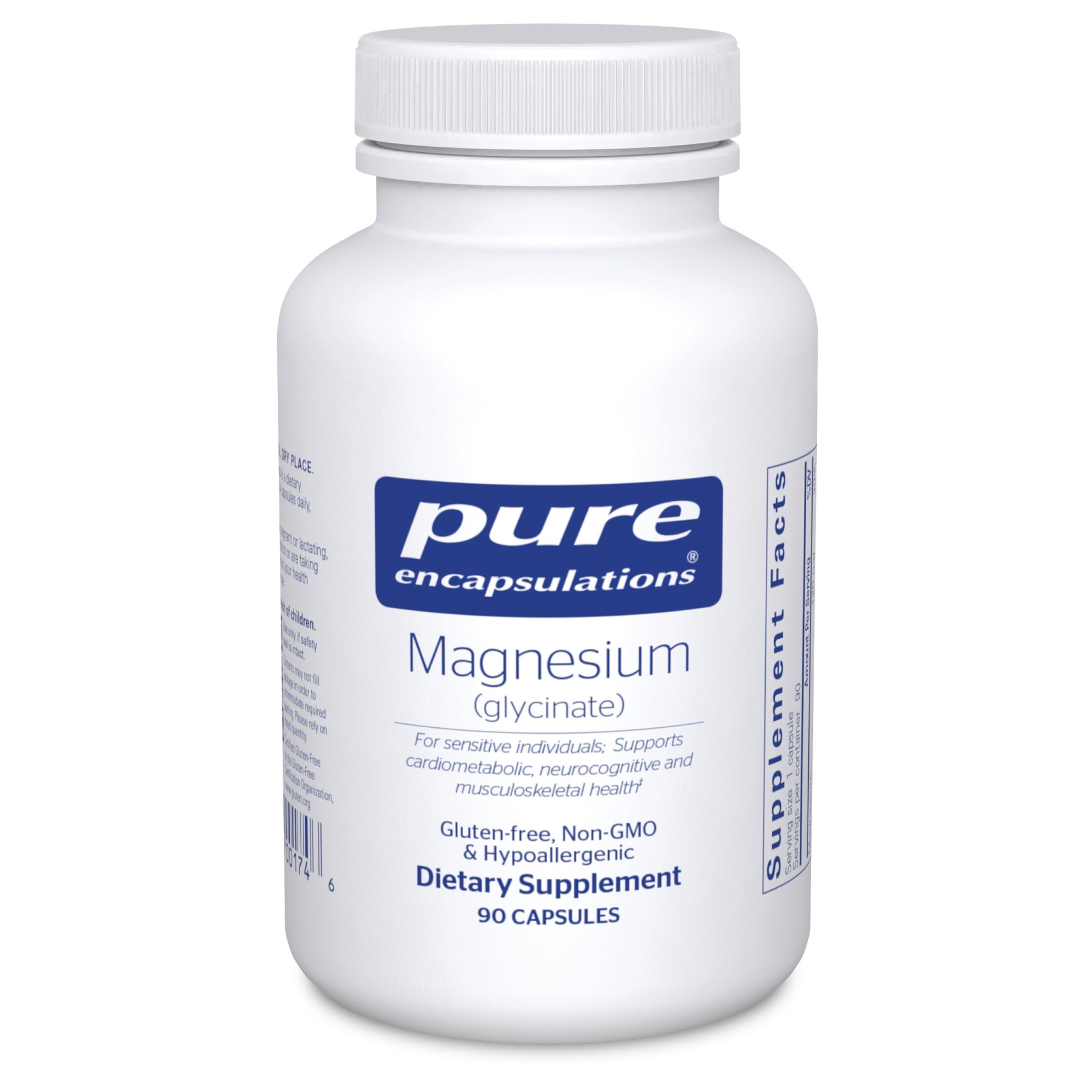
- Magnesium: Magnesium plays a role in bone formation and calcium regulation. The recommended daily intake for magnesium is 320-420 mg for adults. Magnesium supplements can help those with low dietary intake.
- Vitamin K2: Vitamin K2 is important for bone mineralization and helps direct calcium to the bones. Supplements can be beneficial, particularly for individuals at risk of osteoporosis.



Practical Tips for Increasing Protein Intake
Incorporating adequate protein into your diet can be straightforward with these practical tips:
- Balanced Meals: Ensure that each meal contains a source of high-quality protein. For example, include eggs or Greek yogurt for breakfast, lean meat or tofu in salads for lunch, and fish or beans for dinner.
- Snacks: Opt for protein-rich snacks such as nuts, seeds, cheese, or protein bars to meet your daily protein goals.
- Protein-Rich Recipes: Experiment with recipes that incorporate protein sources, such as quinoa salads, lentil soups, and smoothie bowls with protein powder.
- Meal Planning: Plan your meals and snacks ahead of time to ensure a balanced intake of protein throughout the day.
Conclusion
Preventing osteoporosis requires a multifaceted approach that includes adequate nutrition, regular physical activity, and lifestyle modifications. Increased protein intake plays a crucial role in maintaining bone health and reducing the risk of osteoporosis. By understanding the importance of protein, incorporating diverse protein sources into the diet, and considering supplements when necessary, individuals can take proactive steps towards preserving their bone health and preventing osteoporosis. For personalized recommendations and guidance, consulting with healthcare professionals and registered dietitians is essential.


Sponsored


Disclaimer:
This article is intended for informational and educational purposes only and should not be construed as professional medical advice, diagnosis, or treatment. The content provided herein, including but not limited to, any text, graphics, images, and other material, is for general informational purposes and is not intended to be a substitute for professional medical advice, diagnosis, or treatment.
Always seek the advice of your physician or other qualified health provider with any questions you may have regarding a medical condition or health objectives. Never disregard professional medical advice or delay in seeking it because of something you have read on this website.
Affiliate Disclaimer: Please note that some of the links in this blog post are affiliate links. This means that if you click on these links and make a purchase, we may receive a small commission at no extra cost to you. Your support in purchasing through these links enables us to continue providing valuable content to you. Thank you for your support!


