


The Protein Showdown: Protein Powders vs. Collagen Peptides
In the ever-evolving world of fitness and wellness, protein powders and collagen peptides have become staples for many. But with so much conflicting information and a vast array of products on the market, choosing between them can be confusing. This comprehensive guide delves into the world of protein and collagen, dissecting their properties, benefits, drawbacks, and ultimately helping you decide which one – or perhaps even both – can best support your health goals.
Unveiling the Building Blocks: Protein Powders
Protein powders are concentrated sources of protein, typically derived from animal or plant sources. They are often used as a convenient way to boost daily protein intake, especially for those struggling to meet their needs through diet alone.
Types of Protein Powders:
- Whey Protein: One of the most popular options, whey protein is a fast-digesting protein derived from milk. It’s rich in branched-chain amino acids (BCAAs) which play a crucial role in muscle building and recovery.
- Casein Protein: Another milk-derived protein, casein is known for its slow-digesting properties, providing a sustained release of amino acids over several hours.
- Soy Protein: A plant-based alternative, soy protein is a complete protein containing all nine essential amino acids. It’s a good option for vegans, vegetarians, or those with lactose intolerance.
- Pea Protein: Another plant-based protein source, pea protein is hypoallergenic and easily digestible. It’s often a good choice for those with sensitivities to other protein sources.
- Brown Rice Protein: Another plant-based option, brown rice protein is a good source of protein for those following a vegan diet. However, it’s not a complete protein and may be lower in certain amino acids.
Pros of Protein Powders:
- Convenient Source of Protein: Protein powders offer a quick and easy way to increase protein intake, especially for those with busy lifestyles.
- Muscle Building and Recovery: Certain protein powders like whey protein are especially beneficial for muscle building and repair, particularly post-workout.
- Supports Satiety: Protein is known to promote feelings of fullness and can help with weight management.
- Variety of Options: With a wide range of protein sources and flavors available, you can find a protein powder that suits your dietary preferences and taste buds.
Cons of Protein Powders:
- Can Be Expensive: High-quality protein powders can be pricier than whole food protein sources.
- Potential for Digestive Issues: Some people may experience bloating, gas, or diarrhea with certain protein powders, particularly those with lactose intolerance.
- Not a Magic Bullet: Protein powders should complement a healthy diet and not replace whole food sources of protein.
- May Contain Additives: Some protein powders contain added sugars, artificial sweeteners, and thickeners. It’s important to choose a clean and minimally processed product.
Top Protein Powders:
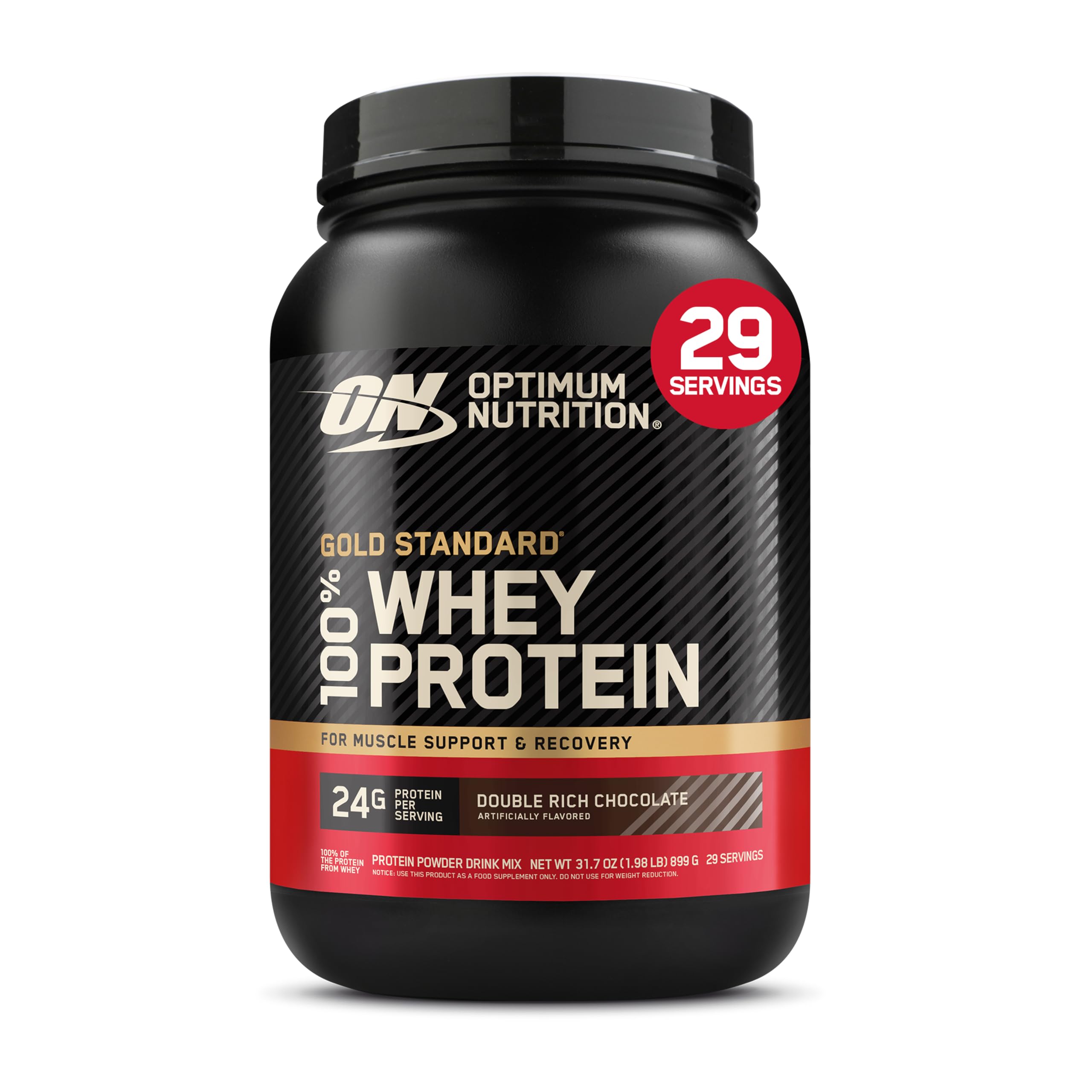
- Whey Protein: Optimum Nutrition Gold Standard 100% Whey (for muscle building)
- Casein Protein: Myprotein Impact Casein (for sustained release)
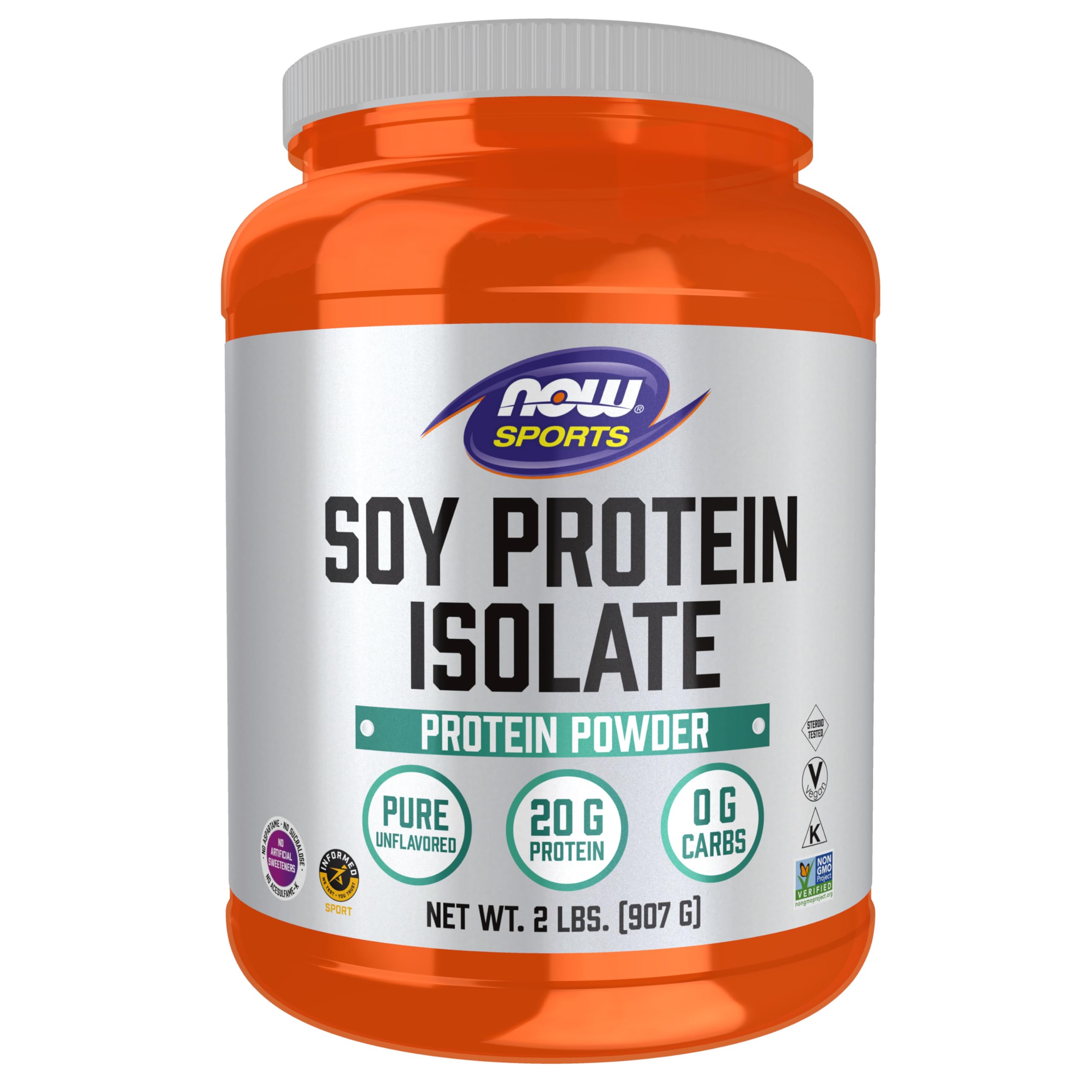
- Soy Protein: NOW Sports Soy Protein Isolate (vegan option)
- Pea Protein: Vega Sport Performance Protein (plant-based, high in BCAAs)
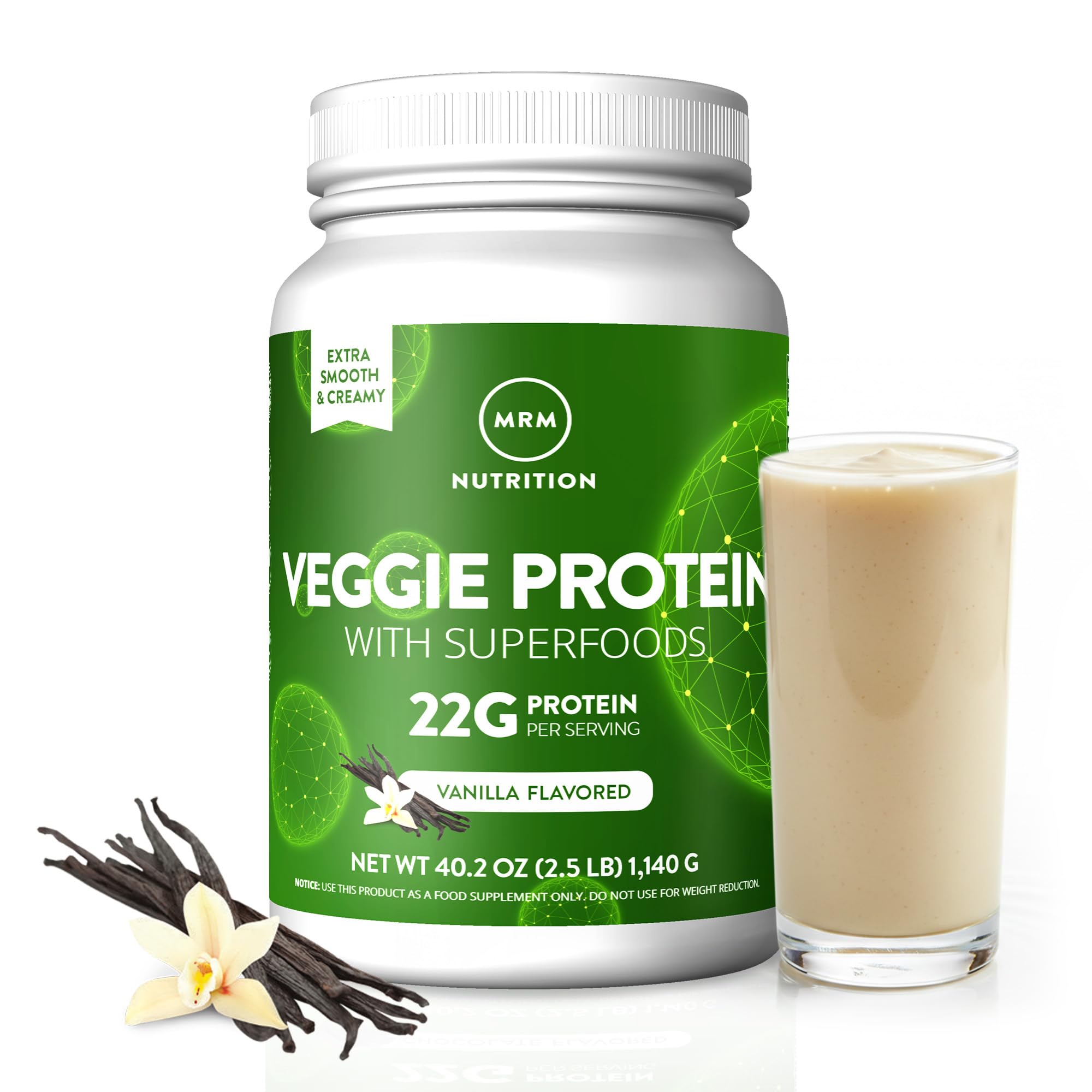
- Brown Rice Protein: MRM Raw Series Vegan Protein Powder (plant-based)


Demystifying the Anti-Aging Wonder: Collagen Peptides
Collagen peptides, also known as hydrolyzed collagen, are short chains of amino acids derived from collagen, the most abundant protein in the human body. Collagen provides structure and support to our skin, bones, joints, and connective tissues. As we age, collagen production naturally declines, leading to wrinkles, sagging skin, and joint pain. Collagen peptides are thought to stimulate the body’s own collagen production, offering potential benefits for these concerns.
Types of Collagen Peptides:
- Bovine Collagen: Derived from cows
- Marine Collagen: Derived from fish
- Porcine Collagen: Derived from pigs
Pros of Collagen Peptides:
- Improved Skin Health: Collagen peptides may help reduce wrinkles, improve skin elasticity, and promote overall skin health.
- Joint Support: Collagen peptides may help reduce joint pain and improve joint health, especially for those with conditions like osteoarthritis.
- Bone Health: Research suggests collagen peptides may play a role in bone health and density.
- Wound Healing: Collagen is essential for wound healing, and collagen peptides may aid in this process.
- Easy to Digest: Collagen peptides are generally well-tolerated and easily absorbed by the body.
Cons of Collagen Peptides:
- Limited Scientific Evidence: While promising, research on the effectiveness of collagen peptides is still ongoing. More studies are needed to confirm their long-term benefits.
- Potential Allergic Reactions: People with allergies to beef, fish, or pork should be cautious when choosing collagen peptides, as they may experience allergic reactions.
- Not a Complete Protein Source: Like protein powders derived from brown rice, collagen peptides are incomplete proteins, lacking all essential amino acids.
- Can Be Expensive: High-quality collagen peptides can be expensive, especially when compared to some whole food sources.
Top Collagen Peptides:
- Bovine Collagen: Vital Proteins Collagen Peptides (unflavored, versatile)
- Marine Collagen: Vital Marine Collagen Peptides (sourced from wild-caught fish)
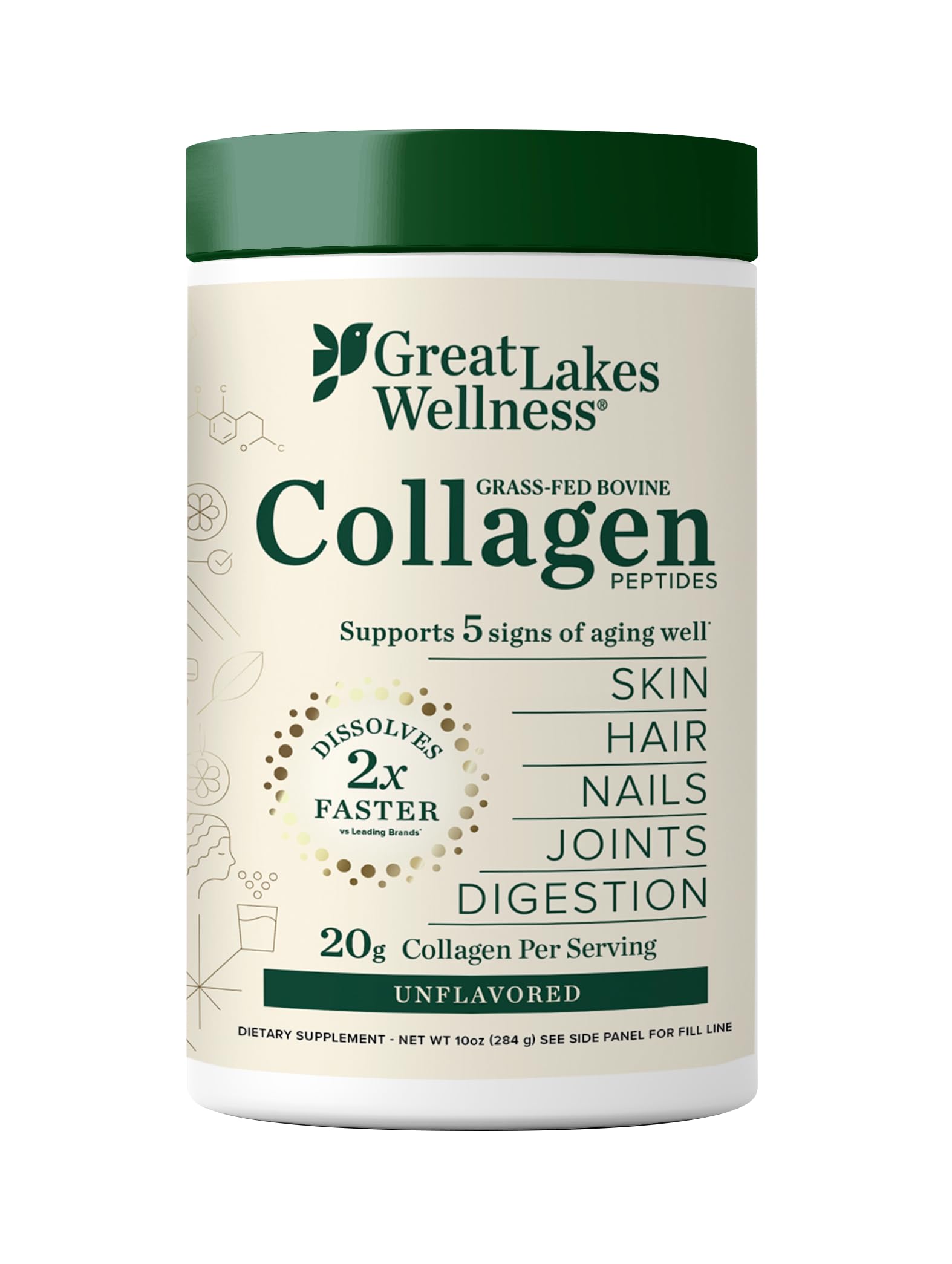
- Porcine Collagen: Great Lakes Gelatin Collagen Peptides (budget-friendly option)


The Great Protein Showdown: When to Choose Which?
Now that we’ve explored the properties of each, the key question remains: when should you choose protein powder and when should you choose collagen peptides? Here’s a breakdown to help you decide:
Choose Protein Powders if:
- You’re looking to build muscle mass or support muscle recovery after exercise.
- You struggle to meet your daily protein needs through diet alone.
- You need a convenient and portable way to increase protein intake throughout the day.
- You’re following a weight loss plan and want to feel fuller for longer.
Choose Collagen Peptides if:
- You’re concerned about wrinkles, sagging skin, and overall skin health.
- You experience joint pain and want to improve joint health and mobility.
- You’re looking for a supplement to support bone health and density.
- You want to improve wound healing or have concerns about scar tissue formation.
Combining Protein Powders and Collagen Peptides:
There’s no reason you can’t enjoy the benefits of both protein powders and collagen peptides! Here are some ideas:
- Post-Workout Smoothie: Combine your favorite protein powder with collagen peptides, fruits, and vegetables for a protein-packed and nourishing post-workout smoothie.
- Coffee Booster: Add a scoop of unflavored collagen peptides to your morning coffee for a subtle protein and collagen boost.
- Soup or Stew: Mix collagen peptides into soups or stews to add extra protein and support joint health.
Choosing the Right Product:
With so many options on the market, choosing the right protein powder or collagen peptides can feel overwhelming. Here are some key factors to consider:
- Source: Ensure your protein powder comes from a reputable source and is grass-fed (for animal-derived products) or organic (for plant-based options). For collagen peptides, choose a source that aligns with any dietary restrictions you may have.
- Ingredients: Opt for minimally processed products with limited added sugars, artificial sweeteners, and fillers.
- Label Claims: Be wary of exaggerated claims and focus on products with third-party certifications guaranteeing quality and purity.
- Taste and Texture: Choose a protein powder or collagen peptides with a flavor and texture you enjoy to ensure long-term use.
Important Considerations:
- Talk to Your Doctor: Before starting any new supplement, consult with your doctor, especially if you have any pre-existing health conditions or are taking medications.
- Dosage: Follow the recommended dosage on the product label and don’t exceed it without consulting a doctor.
- Quality over Quantity: Focus on high-quality products over the cheapest option.
- Sustainability: Consider brands with sustainable practices, especially when choosing animal-derived collagen peptides.
Conclusion:
Protein powders and collagen peptides are both valuable tools in your health and wellness toolbox. Understanding their individual benefits and drawbacks allows you to make informed decisions and choose the right product for your specific needs. Remember, a healthy diet rich in whole foods should be the foundation of your nutrition plan, with protein powders and collagen peptides serving as a supplement, not a replacement. Enjoy exploring these options and feel the difference they can make in your overall well-being!


Sponsored


Disclaimer:
This article is intended for informational and educational purposes only and should not be construed as professional medical advice, diagnosis, or treatment. The content provided herein, including but not limited to, any text, graphics, images, and other material, is for general informational purposes and is not intended to be a substitute for professional medical advice, diagnosis, or treatment.
Always seek the advice of your physician or other qualified health provider with any questions you may have regarding a medical condition or health objectives. Never disregard professional medical advice or delay in seeking it because of something you have read on this website.
Affiliate Disclaimer: Please note that some of the links in this blog post are affiliate links. This means that if you click on these links and make a purchase, we may receive a small commission at no extra cost to you. Your support in purchasing through these links enables us to continue providing valuable content to you. Thank you for your support!


