


From Farm to Table: The World of Nut Butters
Nut butters are a popular and versatile food choice, lauded for their rich taste and nutritional benefits. One of the key nutrients in nut butters is protein, an essential macronutrient that supports muscle growth, repair, and overall health. In this article, we will explore the protein content in various nut butters, compare their macros, discuss their pros and cons, provide easy recipes for making them at home, address allergies and suggest alternatives, and offer ideas for protein-rich snacks.
Comparison of Protein Content in Different Nut Butters
Peanut Butter
-
- Protein Content: 8 grams per 2 tablespoons
- Macros (per 2 tablespoons): 188 calories, 16 grams of fat, 6 grams of carbs
- Pros: High protein content, widely available, affordable, good source of healthy fats and vitamins (E, B3, B6)
- Cons: Common allergen, may contain added sugars and oils in commercial brands


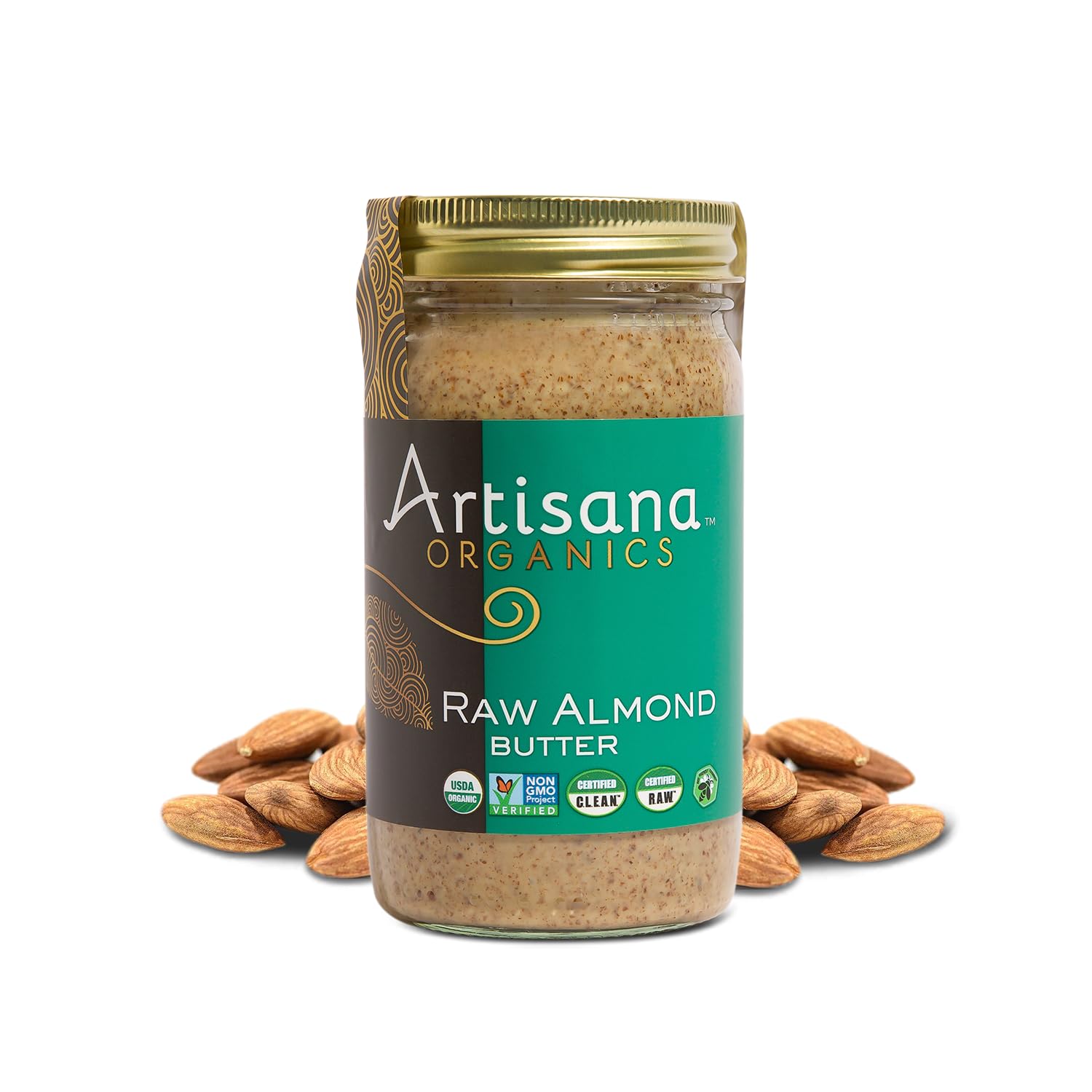
Almond Butter
-
- Protein Content: 7 grams per 2 tablespoons
- Macros (per 2 tablespoons): 190 calories, 17 grams of fat, 6 grams of carbs
- Pros: Rich in vitamins (E, B2), minerals (magnesium, manganese), lower in carbs compared to peanut butter
- Cons: More expensive, potential allergen
Cashew Butter
-
- Protein Content: 5 grams per 2 tablespoons
- Macros (per 2 tablespoons): 196 calories, 16 grams of fat, 9 grams of carbs
- Pros: Creamy texture, good source of copper and magnesium
- Cons: Higher in carbs, lower in protein compared to other nut butters, potential allergen

Hazelnut Butter
-
- Protein Content: 4 grams per 2 tablespoons
- Macros (per 2 tablespoons): 180 calories, 17 grams of fat, 5 grams of carbs
- Pros: Rich in healthy fats, good source of vitamin E and manganese
- Cons: Lower in protein, can be expensive, potential allergen

Pistachio Butter
-
- Protein Content: 6 grams per 2 tablespoons
- Macros (per 2 tablespoons): 170 calories, 13 grams of fat, 7 grams of carbs
- Pros: Lower in calories, rich in antioxidants, good source of vitamin B6
- Cons: Can be expensive, less widely available

Walnut Butter
-
- Protein Content: 5 grams per 2 tablespoons
- Macros (per 2 tablespoons): 180 calories, 18 grams of fat, 4 grams of carbs
- Pros: High in omega-3 fatty acids, rich in antioxidants
- Cons: Lower in protein, can have a bitter taste

Sunflower Seed Butter
-
- Protein Content: 7 grams per 2 tablespoons
- Macros (per 2 tablespoons): 200 calories, 18 grams of fat, 7 grams of carbs
- Pros: Nut-free option, rich in vitamin E and magnesium, lower in allergens
- Cons: Higher in fat, can have a slightly bitter taste

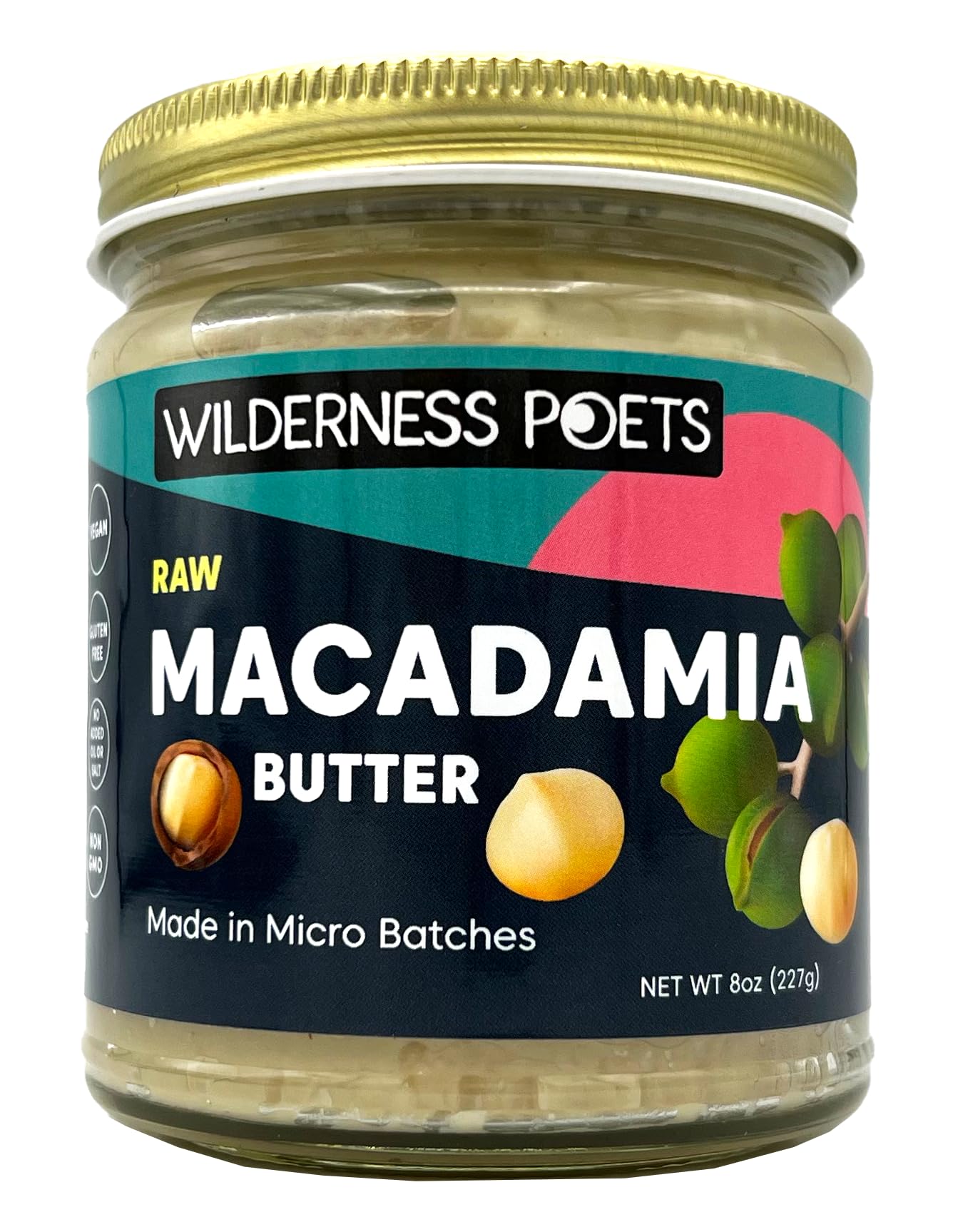
Macadamia Nut Butter
-
- Protein Content: 2 grams per 2 tablespoons
- Macros (per 2 tablespoons): 204 calories, 22 grams of fat, 4 grams of carbs
- Pros: High in healthy fats, rich and buttery flavor, good source of fiber
- Cons: Lower in protein, expensive, high in calories
Nutritional Benefits of Nut Butters
Nut butters are not only rich in protein but also provide various other essential nutrients:
- Healthy Fats: Most nut butters are rich in monounsaturated and polyunsaturated fats, which are beneficial for heart health.
- Vitamins and Minerals: Nut butters are excellent sources of vitamins such as vitamin E and B vitamins, as well as minerals like magnesium, potassium, and zinc.
- Fiber: Nut butters contain dietary fiber, which aids in digestion and helps maintain healthy blood sugar levels.
- Antioxidants: Many nuts, particularly walnuts and pistachios, are rich in antioxidants, which help protect the body from oxidative stress and inflammation.
Addressing Allergies and Alternatives
Nut allergies are common and can be severe, leading to anaphylaxis in some cases. It’s important to be aware of the risks associated with nut consumption and cross-contamination:
- Common Nut Allergies: Peanuts and tree nuts (e.g., almonds, cashews, walnuts) are frequent allergens.
- Cross-Contamination Risks: Even trace amounts of nuts can trigger allergic reactions. Use separate equipment and surfaces when preparing nut and non-nut foods.
Alternative Protein Sources for Individuals with Nut Allergies
Seed Butters
-
- Sunflower Seed Butter: Nut-free and rich in protein and healthy fats.
- Pumpkin Seed Butter: Another nut-free option, high in magnesium and zinc.
- Sesame Seed Butter (Tahini): Rich in calcium and healthy fats, commonly used in Middle Eastern cuisine.
Soy Products
-
- Tofu: A versatile protein source made from soybeans, can be used in savory and sweet dishes.
- Tempeh: A fermented soy product that is high in protein and probiotics.
Legumes
-
- Chickpeas: Can be made into hummus or roasted for a crunchy snack.
- Lentils: High in protein and fiber, suitable for soups, stews, and salads.
Easy Homemade Nut Butter Recipes
Making nut butters at home is simple and allows you to control the ingredients, avoiding added sugars and oils. Here are some easy recipes:
Homemade Peanut Butter
-
- Ingredients: 2 cups of roasted peanuts, 1-2 tablespoons of oil (optional), salt to taste
- Instructions:
- Place the roasted peanuts in a food processor.
- Blend until smooth, stopping to scrape down the sides as needed.
- Add oil if needed for a smoother consistency.
- Add salt to taste and blend again.
- Store in an airtight container.
Homemade Almond Butter
-
- Ingredients: 2 cups of roasted almonds, 1-2 tablespoons of oil (optional), salt to taste
- Instructions:
- Place the roasted almonds in a food processor.
- Blend until smooth, scraping down the sides as needed.
- Add oil if needed for a smoother consistency.
- Add salt to taste and blend again.
- Store in an airtight container.
Homemade Cashew Butter
-
- Ingredients: 2 cups of roasted cashews, 1-2 tablespoons of oil (optional), salt to taste
- Instructions:
- Place the roasted cashews in a food processor.
- Blend until smooth, scraping down the sides as needed.
- Add oil if needed for a smoother consistency.
- Add salt to taste and blend again.
- Store in an airtight container.
Homemade Hazelnut Butter
-
- Ingredients: 2 cups of roasted hazelnuts, 1-2 tablespoons of oil (optional), salt to taste
- Instructions:
- Place the roasted hazelnuts in a food processor.
- Blend until smooth, scraping down the sides as needed.
- Add oil if needed for a smoother consistency.
- Add salt to taste and blend again.
- Store in an airtight container.
Homemade Pistachio Butter
-
- Ingredients: 2 cups of roasted pistachios, 1-2 tablespoons of oil (optional), salt to taste
- Instructions:
- Place the roasted pistachios in a food processor.
- Blend until smooth, scraping down the sides as needed.
- Add oil if needed for a smoother consistency.
- Add salt to taste and blend again.
- Store in an airtight container.
Homemade Walnut Butter
-
- Ingredients: 2 cups of roasted walnuts, 1-2 tablespoons of oil (optional), salt to taste
- Instructions:
- Place the roasted walnuts in a food processor.
- Blend until smooth, scraping down the sides as needed.
- Add oil if needed for a smoother consistency.
- Add salt to taste and blend again.
- Store in an airtight container.
Homemade Sunflower Seed Butter
-
- Ingredients: 2 cups of roasted sunflower seeds, 1-2 tablespoons of oil (optional), salt to taste
- Instructions:
- Place the roasted sunflower seeds in a food processor.
- Blend until smooth, scraping down the sides as needed.
- Add oil if needed for a smoother consistency.
- Add salt to taste and blend again.
- Store in an airtight container.
Homemade Macadamia Nut Butter
-
- Ingredients: 2 cups of roasted macadamia nuts, 1-2 tablespoons of oil (optional), salt to taste
- Instructions:
- Place the roasted macadamia nuts in a food processor.
- Blend until smooth, scraping down the sides as needed.
- Add oil if needed for a smoother consistency.
- Add salt to taste and blend again.
- Store in an airtight container.
Protein-Rich Snack Ideas Using Nut Butters
Incorporating nut butters into your snacks can boost your protein intake and add a delicious twist. Here are some easy and protein-rich snack ideas:
Nut Butter and Banana Sandwich
Spread your favorite nut butter on whole grain bread and add banana slices. This combination provides protein, healthy fats, and carbs for sustained energy.
Nut Butter and Greek Yogurt Dip
Mix a spoonful of nut butter into Greek yogurt. This dip pairs well with apple slices or celery sticks and offers a good balance of protein and healthy fats.
Nut Butter and Oatmeal
Stir a tablespoon of nut butter into a bowl of oatmeal. This adds flavor and protein to your breakfast, keeping you full for longer.
Nut Butter Energy Balls
Mix nut butter with oats, honey, and your choice of seeds or dried fruits. Roll into small balls and refrigerate for a quick and nutritious snack.
Nut Butter Smoothie
Blend nut butter with a banana, a scoop of protein powder, and almond milk. This smoothie is an excellent post-workout snack, providing protein and healthy fats.
Nut Butter and Rice Cakes
Spread nut butter on rice cakes and top with slices of strawberries or blueberries. This snack is light yet satisfying, offering a good mix of protein and carbs.
Nut Butter and Celery Sticks
Spread nut butter on celery sticks and top with raisins for a classic “ants on a log” snack that is both nutritious and fun to eat.
Nut Butter and Dark Chocolate
Dip pieces of dark chocolate into nut butter for a delicious and protein-rich treat that satisfies your sweet tooth.
Nut Butter and Protein Pancakes
Add a dollop of nut butter on top of protein pancakes for a hearty and protein-packed breakfast.
Nut Butter and Apple Slices
Spread nut butter on apple slices for a simple yet nutritious snack that combines protein, healthy fats, and fiber.
Conclusion
Nut butters are a tasty and nutritious way to boost your protein intake. Each type of nut butter has its unique nutritional profile, benefits, and drawbacks. Making nut butters at home is a simple and rewarding process, allowing you to control the ingredients and customize the flavor. By incorporating nut butters into your snacks, you can enjoy a variety of delicious and protein-rich options that support your health and fitness goals. For those with nut allergies, there are plenty of alternative protein sources like seed butters, soy products, and legumes to ensure a nutritious diet.


Sponsored


Disclaimer:
This article is intended for informational and educational purposes only and should not be construed as professional medical advice, diagnosis, or treatment. The content provided herein, including but not limited to, any text, graphics, images, and other material, is for general informational purposes and is not intended to be a substitute for professional medical advice, diagnosis, or treatment.
Always seek the advice of your physician or other qualified health provider with any questions you may have regarding a medical condition or health objectives. Never disregard professional medical advice or delay in seeking it because of something you have read on this website.
Affiliate Disclaimer: Please note that some of the links in this blog post are affiliate links. This means that if you click on these links and make a purchase, we may receive a small commission at no extra cost to you. Your support in purchasing through these links enables us to continue providing valuable content to you. Thank you for your support!


